Why Do Sweat Stains Happen?
Sweat stains can happen to anyone. They’re those marks you often see around the armpits of shirts, collars, or other areas after sweating.
They may appear due to humid weather, exercise, stress, or even hyperhidrosis (a condition where people sweat much more than average). People with hyperhidrosis often notice worse stains simply because the excess sweat reacts with deodorant and fabric more strongly.
Washing sweat stains is tricky. Fabrics like cotton or linen are delicate, and scrubbing too hard can fade colors or weaken fibers. That’s why prevention is always better than cure—but if stains do appear, there are smart ways to tackle them.
Types of Sweat Stains You Might See
1. Wet Rings
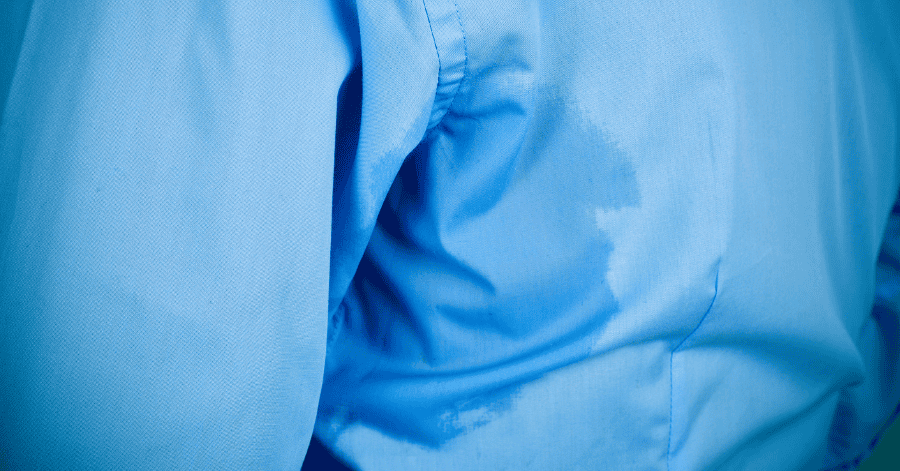
These appear as damp, dark rings under the arms or back—often visible on light-colored shirts. Stressful events (like an exam, meeting, or sports activity) usually trigger them. Unfortunately, antiperspirants don’t always stop them completely.
2. Yellow Stains
Probably the most frustrating kind. They happen when proteins in sweat mix with aluminum salts in deodorant, leaving behind yellow patches on white fabrics. Getting rid of these often requires strong stain removers or professional laundry care.
3. White Deodorant Stains
Sometimes it’s not sweat but deodorant itself causing the problem. Over-applying antiperspirant leads to chalky white streaks when the product rubs off onto fabric. These stains are especially noticeable on dark clothes.
7 Effective Ways to Remove Sweat Stains
Dealing with sweat stains can feel endless, but the good news is there are plenty of home remedies and products that work surprisingly well.
1. Meat Tenderizer
Yes, it sounds odd—but unseasoned meat tenderizer breaks down proteins in sweat stains. Sprinkle it directly onto the stain, add a little water to form a paste, and leave it for an hour before washing.
2. Aspirin Paste
Crush 2–3 aspirin tablets, mix with hot water, and make a paste. Apply it to the stain, let it sit for 4–5 hours, then wash as usual. Aspirin’s ingredients help dissolve stubborn discoloration.
3. Deo Go Spray
Specifically designed for deodorant and sweat stains, Deo Go is tough on marks but gentle on fabric. Spray directly, leave for a short while, then wash normally.
4. OxiClean
A household favorite, OxiClean works wonders for yellow stains. Dissolve it in water and soak the garment before washing. It’s safe for most fabrics and helps brighten whites too.
5. Dish Soap + Hydrogen Peroxide
Mix 3 parts dish soap with 6 parts hydrogen peroxide, apply to the stained area, and let it sit for a couple of hours before washing. This combo is powerful yet safe for most everyday clothes.
6. Lime-A-Way + Tide Free & Gentle
For tougher stains, combine 50% Lime-A-Way, 40% water, and 10% Tide Free & Gentle. Apply the solution, let it work for an hour, then wash. The mix targets both sweat and deodorant build-up.
7. Krud Kutter
Another ready-to-use cleaner, Krud Kutter sprays directly onto stains and works within minutes. Rinse or wash afterward to reveal stain-free fabric.
7 Smart Ways to Prevent Sweat Stains
Why spend energy removing stains if you can stop them before they happen? Here are practical tips that really help:
1. Switch to Natural Deodorant
Many deodorants contain aluminum and parabens that cause stains when mixed with sweat. Aluminum-free deodorants are gentler on your skin and your clothes.
2. Don’t Over-Apply
More deodorant doesn’t mean more protection. In fact, extra layers rub off on clothes, causing white or yellow marks. Apply a normal amount, and reapply later if needed.
3. Let Deodorant Dry First
One of the biggest mistakes is throwing on clothes right after applying deodorant. Always let it dry completely before dressing—this reduces stains and keeps the product working longer.
4. Shave or Trim Armpit Hair
Less hair means less sweat and product buildup, which directly lowers the chance of staining. Plus, it improves hygiene.
5. Wear Loose, Breathable Clothing
Tight clothes trap sweat against the skin, while looser cotton or linen pieces allow airflow. This helps sweat evaporate instead of soaking into fabric.
6. Try Sweat-Proof Undershirts
Special undershirts are made with sweat-blocking panels under the arms. They act like a barrier between your body and your favorite outer shirts.
7. Sweat-Reducing Supplements
If you suffer from hyperhidrosis, consider consulting a doctor. Some herbal or prescription supplements can help regulate sweating from within.
Special Cases: Deodorant & Yellow Stains
How to Remove Deodorant Stains
-
Spray solutions like Deo-Go or OxiClean.
-
DIY pastes (aspirin or dish soap mix) also work well.
-
Always wash with cold or lukewarm water before heat-setting the stain.
How to Remove Yellow Stains on Shirts or Sheets
-
Wash bedding or shirts frequently (at least twice a week).
-
Pre-soak in water overnight before washing.
-
Add vinegar to your wash cycle for natural stain-fighting.
-
Use proven removers like OxiClean or KrudKutter.
Final Thoughts
Sweat stains may feel embarrassing, but they’re completely normal and treatable. With the right mix of DIY remedies, stain removers, and smart prevention habits, you can keep your clothes fresh and long-lasting.
Remember:
-
Treat stains early.
-
Don’t overuse deodorant.
-
Let fabrics breathe.
That way, you’ll never have to worry about hiding under dark shirts or spending a fortune on dry cleaning.