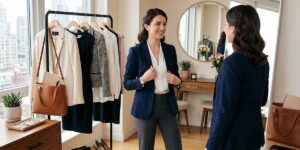

Getting dressed for work should not feel like a daily puzzle. And yet, for a lot of women, standing in front of the wardrobe every morning can be genuinely stressful — especially when the line between too casual and overly formal is never quite where you expect it to be. The truth is, building a solid office wardrobe does not require a massive budget or a fashion degree. It requires a bit of thought, a few reliable pieces, and a clear understanding of what works for your body, your role, and your workplace culture.
This guide walks through outfit ideas across different office environments — from formal corporate settings to relaxed creative workplaces — along with tips on how to style them, what to invest in, and how to make your outfits feel effortless rather than laboured over.
1. Understanding Your Office Dress Code
Before putting together any outfit, it helps to think about the kind of environment you work in. Dress codes have shifted enormously over the past decade, and what counts as appropriate varies quite a bit from one workplace to another. In general, most offices fall into one of three broad categories.
Formal Corporate
Think law firms, banking, finance, and large traditional corporations. These environments typically expect structured clothing — tailored trousers or pencil skirts, blazers, blouses, and formal footwear. The palette tends toward neutrals: navy, charcoal, black, ivory, and grey. The goal here is to look polished and put together without drawing unnecessary attention to your outfit.
Business Casual
The most common dress code in offices today. Business casual allows for a wider range of choices — dark-wash jeans in many settings, knit tops, midi dresses, and smart flats alongside heels. The key word here is still “business”: the clothing should look intentional and neat, even if it is relaxed. A pair of well-fitted chinos with a silk blouse reads very differently from a pair of joggers with the same blouse.
Smart Casual and Creative Workplaces
Tech companies, design studios, media agencies, and startups often sit in this category. There is significantly more room for personal expression here — interesting prints, bold colours, casual footwear, and relaxed silhouettes. That said, “smart casual” still means you look like you dressed with some care. Ripped jeans and hoodies are rarely on the right side of the line, even in the most laid-back creative offices.
| 😓 Facing This Problem? | ✅ Best Products from Amazon |
|---|---|
| Dark patches under arms? | Best Shirts That Hide Sweat |
| Excessive sweating? | Strongest Antiperspirants That Work |
| Sweat in formal meetings? | Breathable Formal Wear |
| Always sweating in summer? | Cooling Clothing You’ll Love |
| Shoes getting smelly? | Sweat-Resistant Shoes |
| Visible back sweat? | Undershirts That Actually Work |
2. The Core Wardrobe Pieces Every Woman Needs
Before talking about full outfits, it is worth covering the building blocks. A handful of versatile pieces can be mixed and matched to create dozens of office-appropriate looks without requiring a vast wardrobe.
- A well-fitted blazer — ideally in black, navy, or camel. A blazer can instantly elevate almost any outfit and doubles as a layer when offices are cold.
- Tailored trousers in neutral shades. These work with blouses, knit tops, and even fitted turtlenecks for a sleek, modern look.
- A pencil skirt or A-line midi skirt. Skirts offer an easy way to look pulled-together with minimal effort.
- Silk or satin blouses. These read formal but are comfortable enough for long workdays, and they work under blazers or on their own.
- A sheath dress or wrap dress. Both styles are universally flattering and require almost no styling effort — just add a shoe and a bag and you are done.
- Classic pumps or block-heeled shoes in a neutral tone. These can go from a meeting to a lunch without looking out of place in either setting.
- Loafers or pointed-toe flats for days when comfort is the priority without sacrificing polish.
With these in rotation, creating a new outfit each morning becomes much simpler. The pieces already speak to each other, and adding one or two more expressive items — a printed blouse, a coloured trouser, a statement accessory — keeps things from feeling repetitive.
3. Outfit Ideas for Formal Corporate Offices
The Classic Power Suit
A matching blazer and trouser set in charcoal, navy, or black remains one of the most effective office outfits ever created. Pair it with a fitted white or ivory blouse — either with a standard collar or a subtle ruffle — and finish with pointed-toe pumps. This combination is boardroom-ready and completely timeless. You can refresh the look by swapping the blouse colour seasonally or adding a silk scarf at the neck.
Pencil Skirt and Blouse Combination
A high-waisted pencil skirt in a dark, solid colour paired with a tucked-in silk blouse is a strong formal office choice. The key is fit — the skirt should skim rather than cling, and the blouse should be long enough to stay neatly tucked throughout the day. Block heels or kitten heels work well here and are significantly more comfortable than stilettos for a full workday.
The Sheath Dress
A sheath dress is perhaps the most efficient office outfit there is — it is one piece, requires minimal thought, and consistently looks professional. Choose a knee-length or just-below-the-knee style in wool crepe, scuba fabric, or ponte for the best structure. Add a blazer if your office tends to run cold or if you have back-to-back meetings. Nude or black pumps complete the look neatly.
Tailored Wide-Leg Trousers with a Structured Top
Wide-leg trousers have become a staple in professional wardrobes over the past few years, and for good reason — they are comfortable, elegant, and flattering on most body types. Pair high-waisted wide-leg trousers with a fitted turtleneck or a tailored button-down blouse. Keep the rest of the outfit minimal: a simple belt, small earrings, and clean footwear. Avoid anything too bulky up top, as wide trousers already add visual volume at the bottom.
4. Outfit Ideas for Business Casual Workplaces
Dark Jeans with a Blazer and Smart Flats
In business casual settings, well-fitted dark-wash jeans are usually perfectly acceptable. The secret to making them feel office-appropriate is pairing them with more structured pieces. A tailored blazer over a clean tucked-in blouse, with pointed-toe flats or loafers, shifts the jeans from weekend to workweek immediately. Avoid any jeans with distressing, fading, or embellishment.
The Midi Dress
A midi-length dress — falling somewhere between the knee and the ankle — has become one of the most popular office choices for women across all ages and dress codes. It looks thoughtful without being overly formal, and there are styles to suit everyone. A wrap midi dress in a subtle print with ankle-strap heels or block-heeled mules is a comfortable, put-together option that works for most business casual environments. In cooler months, layer with a fitted cardigan or a longline blazer.
Straight-Leg Trousers and a Knit Top
This is one of those outfit formulas that always works. Mid-rise straight-leg trousers in camel, cream, olive, or classic grey pair well with fitted fine-knit tops in either a matching or contrasting colour. The proportions are balanced, the look is modern, and the comfort factor is high. Add a minimal heel or clean white trainers — depending on your workplace — and a structured handbag to keep the outfit smart.
A-Line Skirt with a Tucked Blouse
An A-line skirt that hits at or just below the knee is forgiving on all body types and looks consistently polished. A printed A-line paired with a solid blouse tucked at the front (a half-tuck works perfectly here) and kitten heels is ideal for a business casual office. Mixing a small floral or geometric print with a solid, complementary colour keeps the outfit interesting without veering into weekend territory.
5. Outfit Ideas for Creative and Smart Casual Workplaces
Coloured Trousers with a Relaxed Blouse
If your workplace has room for personality in the dress code, coloured trousers are a great way to inject some character into your wardrobe without going fully casual. Rust, cobalt, forest green, and dusty rose all work well as trouser colours, particularly when paired with a neutral or complementary relaxed blouse. Keep shoes and accessories simple so the trousers do the talking.
A Statement Blouse with Tailored Shorts
In warmer months and in relaxed creative offices, tailored shorts — particularly Bermuda-length or structured city shorts in a quality fabric — can work well with a tucked blouse or shirt. This is still a relatively bold office choice, so make sure the shorts are clean-cut and well-fitted, the blouse is properly tucked or tied, and the shoes are smart rather than casual. Loafers, block heels, or pointed-toe flats work best.
The Printed Shirt Dress
A shirt dress with an interesting print — abstract, botanical, or classic stripes — is easy to wear and easy to dress up or down depending on the shoes and accessories you choose. Belt it at the waist to define your silhouette, or leave it loose for a more relaxed shape. Mules, sandals with a heel, or ankle boots all work depending on the season. Layering a structured denim or cotton jacket over the top adds an effortless cool-girl element that works well in creative environments.
Wide-Leg Linen Trousers and a Simple Tee
This works best in summer or in warm climates. Linen wide-leg trousers in a natural shade — sand, stone, cream, or olive — paired with a clean, fitted white or off-white tee looks relaxed but put together. The key is in the details: tuck the tee neatly, add a thin leather belt if the trousers are high-waisted, and choose sandals with a small heel or clean leather loafers. This outfit looks deliberately effortless, which is its entire appeal.
6. Seasonal Dressing for the Office
Autumn and Winter
Cooler months open up a world of layering possibilities. A fitted turtleneck under a slip dress is a particularly elegant combination — it adds warmth while keeping the look sleek and professional. Wool-blend trousers, structured coats, and knee-high boots all belong in a well-planned winter office wardrobe. Darker shades — burgundy, forest green, camel, mustard — add richness to outfits that would otherwise feel flat in all-black or all-grey.
Spring and Summer
The challenge in summer is managing the transition between the heat outside and aggressively air-conditioned offices. Layering becomes just as important in warm weather as in cold. Wearing a light blazer or cardigan over a sleeveless dress or a thin blouse gives you the flexibility to add or remove a layer throughout the day. Opt for breathable fabrics — linen, cotton voile, tencel — rather than synthetic materials that trap heat. Light, fresh colours including pale blue, soft white, sage green, and blush feel appropriate for the season without veering into overly casual territory.
7. Colour and Pattern: Getting It Right
Colour is one of the easiest ways to make your office wardrobe feel fresh, but it can also go wrong quickly. A few guiding principles help.
- Build your wardrobe on a neutral base — black, white, navy, grey, camel, and cream all mix and match easily and create a solid foundation.
- Add colour through one piece at a time. A coloured blazer or a printed blouse is enough. Wearing multiple bold colours or prints simultaneously takes significantly more skill to pull off.
- When mixing patterns, vary the scale. A small check with a larger stripe, for example, works better than two similarly-sized patterns competing with each other.
- Monochromatic outfits — wearing the same colour from head to toe in slightly varying shades — look sophisticated and modern with minimal effort.
For very formal environments, stick largely to neutrals and introduce colour only in small doses — a silk scarf, a pair of earrings, or a handbag. In more relaxed workplaces, you have far more latitude to experiment.
8. Shoes, Bags, and Accessories
Accessories can make or break an office outfit, and the choices are more impactful than many women realise. A beautiful structured handbag reads as professional even when the rest of the outfit is relatively simple. Conversely, carrying a very casual bag with an otherwise polished outfit can undermine the whole effect.
Shoes
The most versatile shoe choices for the office include pointed-toe pumps in black or nude, block-heeled ankle boots in autumn and winter, loafers or Oxford shoes, kitten heels, and clean leather or suede mules. Many women find that block heels and kitten heels give the polished look of heels without the discomfort of stilettos on long days. If your workplace allows it, a pair of clean, simple white leather trainers can work in smart casual settings, particularly when paired with tailored trousers.
Bags
A structured tote in leather or quality faux leather is the office bag workhorse. It is large enough to hold a laptop, a notebook, and daily essentials while still looking professional. A smaller shoulder bag works well for days when you are carrying less. Avoid very casual bags — canvas totes, backpacks, fabric shoppers — in formal settings. In creative workplaces, a high-quality leather backpack can be a perfectly acceptable and practical option.
Jewellery and Other Accessories
In formal corporate environments, keep jewellery understated: small stud earrings, a simple chain necklace, a clean watch, or a thin bracelet. In business casual and creative workplaces, there is room for more personality — a statement earring, a layered necklace, or an interesting ring can add a lot of character without going too far. Belts deserve special mention: a well-chosen belt can completely change the silhouette of an outfit and turn a loose dress or oversized blouse into something much more defined and intentional.
9. Dressing for Different Body Types
The most important thing to say here is that every body type can look polished and professional — the key is understanding what works for your particular shape and leaning into those options rather than fighting them.
- If you are petite, fitted and tailored pieces tend to work better than oversized ones. High-waisted styles and vertical lines elongate the silhouette. Monochromatic outfits also help create a longer, leaner line.
- If you are tall, you have significant freedom with proportions. Wide-leg trousers, maxi dresses, and oversized blazers all work particularly well on taller frames. You can also carry bolder prints and patterns more easily than shorter women.
- If you carry more weight around the middle, wrap dresses and A-line skirts are particularly flattering as they define the waist without clinging. High-waisted styles with a tucked blouse also work well to create shape.
- If you have a fuller bust, V-necks and wrap tops are more flattering and comfortable than crew necks or very high necklines. Look for blouses with structure rather than clingy knit fabric.
The most important factor is fit. An expensive outfit in the wrong size will always look worse than a moderately priced piece that fits properly. If something is nearly perfect off the rack, a small amount of tailoring can make a significant difference — particularly for trousers and blazers.
10. What to Avoid
While most modern workplaces are far more relaxed than they used to be, there are still some choices that consistently read as too casual or inappropriate for professional settings.
- Clothes that are visibly worn, pilling, or wrinkled. Even the most stylish outfit loses credibility when it looks like it has not been properly cared for.
- Very short hemlines or deeply revealing necklines. This is not a modesty judgement but a practical one — revealing clothing can make professional interactions uncomfortable for both you and your colleagues.
- Loungewear or athletic wear, unless you work in an environment that explicitly accommodates it (a gym, a wellness studio, or specific days with a dress-down policy).
- Very strong fragrances. This is technically not a clothing issue, but it belongs in any honest discussion of office presentation.
- Graphic tees or novelty items with slogans or large logos, unless your workplace specifically has that culture.
11. Building Your Office Wardrobe on a Budget
A great work wardrobe does not have to be expensive. The key is to invest selectively — spend more on the pieces you wear constantly and reach for affordable options on trend-led or seasonal items.
- Spend more on: a quality blazer, well-constructed shoes, and a good leather or leather-look handbag. These are the pieces that anchor your wardrobe and that you will reach for constantly.
- Save on: blouses, seasonal pieces, and trend-led items that you are unlikely to wear for more than one or two seasons.
- Shop end-of-season sales for next year’s basics. Classic tailored pieces — trousers, blazers, pencil skirts — rarely go out of style, making them excellent sale purchases.
- Consider second-hand and resale platforms for designer or premium pieces. A pre-loved quality blazer will almost always outlast a new budget version.
Final Thoughts
Getting dressed for work should eventually feel almost automatic — a process that requires minimal conscious thought because you have built a wardrobe of pieces that reliably work together and that you feel comfortable and confident wearing. That kind of wardrobe does not happen overnight, but it builds steadily as you pay attention to what you actually reach for versus what hangs untouched week after week.
The best office outfit is ultimately the one that lets you walk into work feeling like yourself — polished, comfortable, and ready to focus on the actual work rather than worrying about what you are wearing. Whether that is a classic power suit, a relaxed midi dress, or a pair of wide-leg linen trousers with a neat blouse, the goal is always the same: to dress in a way that respects your environment while genuinely reflecting your personal style.
Start with a few reliable staples, pay attention to fit, and build from there. The rest takes care of itself.