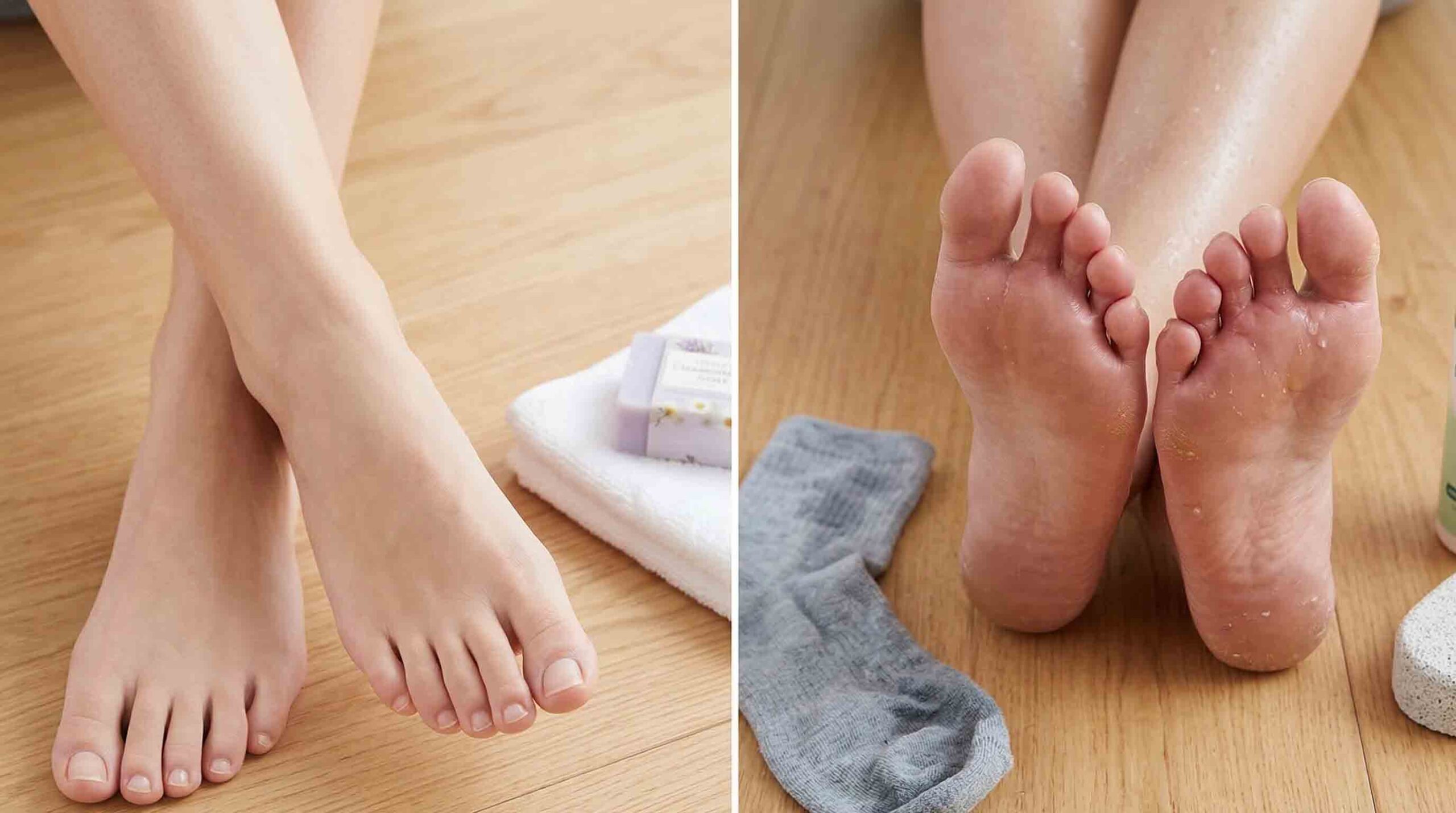
Sweaty feet medically known as plantar hyperhidrosis is a surprisingly common condition that affects millions of people worldwide. The feet contain approximately 250,000 sweat glands, more per square centimetre than almost any other part of the body. While sweating is a perfectly normal and necessary function that helps regulate body temperature, excessive foot sweat can cause discomfort, unpleasant odour, blisters, fungal infections, and social embarrassment.
The good news is that the vast majority of cases can be managed effectively with simple lifestyle changes, hygiene practices, and over-the-counter remedies. Below are 22 tried-and-tested tips ranging from daily habits to targeted treatments that can help you reclaim dry, comfortable feet.
Tip 1: Wash Your Feet Daily
Clean your feet thoroughly every day using antibacterial soap, paying close attention to the spaces between your toes. Dead skin cells and bacteria thrive in warm, moist environments, and regular washing reduces the microbial load that causes sweating and odour.
Tip 2: Dry Feet Completely After Washing
Moisture between the toes is one of the biggest culprits behind sweaty, smelly feet. After every wash or shower, pat your feet completely dry especially between each toe before putting on socks or shoes. Even a little residual moisture can create a breeding ground for bacteria and fungi.
Tip 3: Use Foot Antiperspirant
Just like underarm antiperspirant, foot-specific antiperspirants contain aluminium-based compounds that block sweat glands temporarily. Apply to clean, dry feet before bed and let it work overnight for best results. This is one of the most clinically effective tips for excessive foot sweating.
Tip 4: Apply Baking Soda
Baking soda (sodium bicarbonate) is a natural odour absorber and mild antibacterial agent. Dust a thin layer inside your shoes and on your feet before wearing them. It helps neutralise the acidic sweat environment that bacteria love, reducing both sweat and smell.
Tip 5: Try Foot Powder or Talcum Powder
Medicated foot powders containing ingredients like zinc oxide or miconazole help absorb excess moisture and inhibit bacterial and fungal growth. Apply generously to clean feet and inside shoes every morning. Look for powders specifically labelled for hyperhidrosis or athlete’s foot prevention.
Tip 6: Wear Moisture-Wicking Socks
Synthetic fibres like polyester or nylon trap moisture against the skin. Instead, choose socks made from natural fibres like cotton or bamboo, or purpose-designed moisture-wicking athletic socks. These draw sweat away from the foot surface, keeping feet drier throughout the day.
Tip 7: Change Your Socks Frequently
If your feet tend to sweat heavily, wearing the same pair of socks all day saturates the fabric and creates a warm, damp environment around your feet. Carry an extra pair and change mid-day if needed. Fresh socks can make a significant difference in comfort and hygiene.
Tip 8: Rotate Your Shoes
Wearing the same shoes every day does not allow them time to dry out properly. Rotate between at least two pairs, giving each pair a full 24 hours to air dry between uses. Shoes that remain damp become a reservoir for bacteria and will worsen sweating over time.
Tip 9: Choose Breathable Footwear
Shoes made from synthetic materials like plastic or rubber trap heat and moisture inside. Opt for footwear made from natural materials like leather, canvas, or mesh, which allow better air circulation. In warmer months, open-toed sandals significantly reduce foot sweating.
Tip 10: Use Cedar Shoe Inserts or Insoles
Cedar wood naturally absorbs moisture and has mild antibacterial and deodorising properties. Placing cedar shoe trees or cedar insoles inside shoes between wears helps pull out moisture and keep the interior dry and fresh. Activated charcoal insoles are another highly effective option.
Tip 11: Soak Feet in Black Tea
Black tea contains tannic acid, a natural astringent that can temporarily close sweat pores and reduce sweating. Brew two to three bags of black tea in a litre of warm water, let it cool slightly, and soak your feet for 20–30 minutes daily for a week. Many people see noticeable improvements within days.
| 😓 Facing This Problem? | ✅ Best Products from Amazon |
|---|---|
| Dark patches under arms? | Best Shirts That Hide Sweat |
| Excessive sweating? | Strongest Antiperspirants That Work |
| Sweat in formal meetings? | Breathable Formal Wear |
| Always sweating in summer? | Cooling Clothing You’ll Love |
| Shoes getting smelly? | Sweat-Resistant Shoes |
| Visible back sweat? | Undershirts That Actually Work |
Tip 12: Try a Sage Foot Soak
Sage has long been used in natural medicine to reduce perspiration. Sage contains tannic acid and magnesium compounds that help constrict sweat glands. Boil a handful of dried sage leaves in water, cool it down, and soak your feet for 15–20 minutes. Regular use can provide lasting relief.
Tip 13: Apple Cider Vinegar Foot Bath
Apple cider vinegar’s acidic nature helps balance the skin’s pH and acts as an astringent, shrinking sweat pores. Mix half a cup of ACV in a basin of warm water and soak feet for 15 minutes. It also has antifungal properties, making it useful against conditions like athlete’s foot that can worsen sweating.
Tip 14: Stay Hydrated and Watch Your Diet
Surprisingly, drinking enough water can actually regulate body temperature more efficiently, reducing the need to sweat excessively. Avoid foods that trigger sweating spicy dishes, caffeine, and alcohol can all stimulate sweat glands. A balanced diet rich in magnesium and vitamin B may also help moderate sweating.
Tip 15: Manage Stress and Anxiety
Emotional sweating is very real the feet have a high concentration of eccrine sweat glands that respond to psychological stress. Anxiety, nervousness, and emotional tension can all trigger excessive foot sweating. Practising stress management through yoga, meditation, or deep breathing can meaningfully reduce this type of sweating.
Tip 16: Exfoliate Dead Skin Regularly
Dead skin accumulates on the soles of the feet and provides extra surface area for bacteria to thrive. Use a pumice stone or foot scrub once or twice a week to remove dead skin. Less dead skin means fewer bacteria, reduced odour, and better absorption from any treatments you apply.
Tip 17: Sprinkle Cornstarch in Your Shoes
Cornstarch is an inexpensive and gentle moisture absorber. Sprinkle a small amount directly into your shoes before wearing them to help keep the interior dry. Unlike some powders, it is generally gentle enough for sensitive skin and does not clog pores.
Tip 18: Use Antibacterial Soap
Switching from regular soap to an antibacterial soap for washing your feet can significantly reduce the bacterial population responsible for both odour and the breakdown of sweat. Chlorhexidine-based washes are particularly effective and are commonly used in clinical settings for hyperhidrosis management.
Tip 19: Try Iontophoresis at Home
Iontophoresis is a clinically proven treatment for hyperhidrosis (excessive sweating). It involves passing a mild electrical current through water in which the feet are submerged, temporarily blocking sweat glands. Home iontophoresis devices are available over the counter and can reduce sweating by up to 80% with consistent use.
Tip 20: Consider Medicated Insoles
Specialised medicated insoles containing activated charcoal, silver ions, or antibacterial agents actively combat moisture and bacteria inside your shoe throughout the day. They are available in most pharmacies and are a practical, low-effort way to keep feet drier without changing your entire routine.
Tip 21: Keep Toenails Trimmed and Clean
Bacteria and fungi can accumulate under long toenails, contributing to odour and infections that worsen foot sweating. Keep nails trimmed short and clean beneath them regularly. Proper nail hygiene is a simple but frequently overlooked component of overall foot health.
Tip 22: Consult a Dermatologist for Persistent Cases
If excessive foot sweating significantly affects your daily life and home remedies have not helped, it may be time to see a dermatologist. Medical options include prescription-strength antiperspirants, Botox injections to block sweat glands, oral medications, and in severe cases, surgical procedures such as sympathectomy. A professional diagnosis can also rule out underlying conditions such as hyperthyroidism.
Final Thoughts
Sweaty feet are rarely a serious medical problem, but they can genuinely impact quality of life. The key to success is consistency most of these tips work best when incorporated into a regular daily routine rather than used as one-off solutions. Start with the basics: daily washing and thorough drying, breathable footwear, moisture-wicking socks, and a foot antiperspirant. Layer in natural remedies like tea soaks or baking soda as additional support.
If your sweating is severe or accompanied by other symptoms, do not hesitate to seek medical advice. With the right combination of approaches, most people find lasting relief and can enjoy fresh, dry, confident feet throughout the day.
| 😓 Facing This Problem? | ✅ Best Products from Amazon |
|---|---|
| Dark patches under arms? | Best Shirts That Hide Sweat |
| Excessive sweating? | Strongest Antiperspirants That Work |
| Sweat in formal meetings? | Breathable Formal Wear |
| Always sweating in summer? | Cooling Clothing You’ll Love |
| Shoes getting smelly? | Sweat-Resistant Shoes |
| Visible back sweat? | Undershirts That Actually Work |