
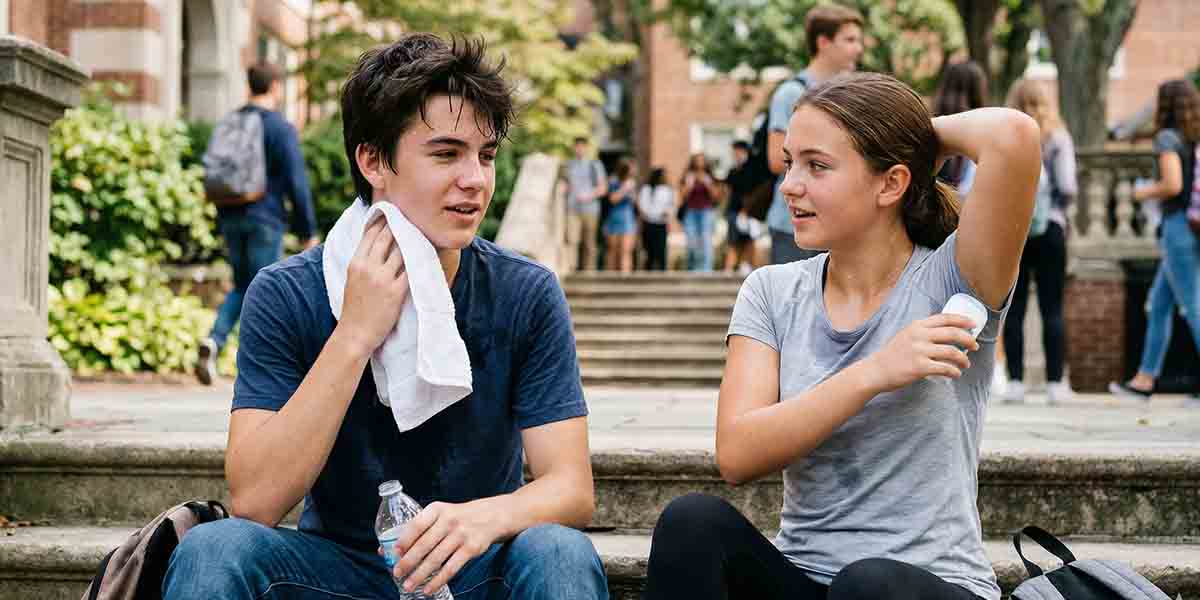
Sweating is one of those things nobody really wants to talk about, but almost every teenager deals with it at some point. Whether it’s the embarrassing wet patches under your arms before a big presentation, the clammy hands during a first date, or waking up drenched in the middle of the night — excessive sweating during the teenage years is more common than most people realize. And yet, for many teens, it becomes a genuine source of anxiety and self-consciousness.
The good news is that there are real, practical solutions. Understanding why teens sweat more than most age groups — and knowing what actually works — can make a huge difference in day-to-day confidence and comfort. This guide breaks it all down in plain terms, without the medical jargon.
Why Teens Sweat More: The Science Behind It
The teenage body is going through one of the most dramatic physical transformations of a person’s life. Hormones surge, organs grow rapidly, and the body’s internal systems get recalibrated almost constantly. Sweating — or more precisely, increased sweating — is a direct result of all this internal activity.
Puberty and Sweat Glands
Before puberty, the apocrine sweat glands — the ones located primarily in the armpits, groin, and around the nipples — are essentially inactive. They don’t do much of anything. Once puberty kicks in, however, these glands switch on and start producing a thicker, protein-rich sweat that, when it mixes with bacteria on the skin, is largely responsible for body odor.
Alongside apocrine glands, teens also have eccrine glands — the ones covering most of the body that produce the clear, watery sweat used for temperature regulation. These glands also become more active during puberty, especially in response to heat, physical activity, and emotional triggers like stress or nervousness.
Hormones: The Main Culprit
Androgens — which include testosterone — rise sharply in both boys and girls during puberty. These hormones directly stimulate sweat glands to become larger and more productive. In practical terms, this means a teenager’s sweat glands can produce significantly more sweat than they did just a couple of years earlier, and more than most adults produce on a daily basis.
Cortisol and adrenaline also play a role. These stress hormones spike when a teen feels anxious, embarrassed, excited, or under pressure. Because the teenage brain is still developing — particularly the parts that regulate emotion and impulse control — teens often experience these spikes more frequently and intensely than adults do.
| 😓 Facing This Problem? | ✅ Best Products from Amazon |
|---|---|
| Dark patches under arms? | Best Shirts That Hide Sweat |
| Excessive sweating? | Strongest Antiperspirants That Work |
| Sweat in formal meetings? | Breathable Formal Wear |
| Always sweating in summer? | Cooling Clothing You’ll Love |
| Shoes getting smelly? | Sweat-Resistant Shoes |
| Visible back sweat? | Undershirts That Actually Work |
Common Types of Teen Sweating
Not all sweating is the same. Different kinds of sweating have different causes, and understanding which type a teen is dealing with is the first step toward finding the right solution.
Hyperhidrosis
Hyperhidrosis is the medical term for excessive sweating that goes beyond what the body needs for temperature regulation. It affects roughly 3 to 5 percent of the general population, and many cases first appear during the teenage years. There are two main types:
- Primary focal hyperhidrosis: This affects specific areas like the palms, feet, underarms, or face. It tends to run in families and is not caused by any underlying medical condition. Teens with this type often sweat profusely even when they’re not hot or active.
- Secondary generalized hyperhidrosis: This type is triggered by an underlying condition such as a thyroid problem, diabetes, or certain medications. It tends to affect the whole body rather than specific spots and often occurs at night.
Anxiety-Related Sweating
Social situations are notoriously stressful for teenagers. Speaking in class, meeting new people, going on a first date, or sitting in an exam room can all trigger the body’s fight-or-flight response, which brings on a rush of sweating — often in the most inconvenient places. This type of sweating creates a frustrating cycle: the teen sweats, becomes self-conscious about sweating, which triggers more anxiety, which triggers more sweat.
Night Sweats
Waking up with damp sheets is not uncommon for teens, and in most cases it’s harmless. Night sweats during adolescence can result from the body’s fluctuating hormone levels, sleeping in a warm room, eating heavy meals before bed, or exercising in the evening. In rarer cases, persistent night sweats can signal an infection or another condition worth checking out with a doctor.
When Should a Teen See a Doctor?
Most teenage sweating is completely normal and does not require medical attention. However, there are certain signs that suggest something more is going on and that a conversation with a healthcare provider would be worthwhile.
- Sweating is so heavy that it soaks through clothing multiple times a day, even in cool temperatures or when sitting still.
- Sweating is accompanied by unexplained weight loss, fatigue, frequent thirst, or a persistent fast heartbeat.
- Night sweats occur regularly and are severe enough to disrupt sleep.
- The teen is avoiding normal social activities or developing significant anxiety around the issue.
- Skin irritation, rashes, or infections are developing in areas where sweating is heaviest.
Practical Day-to-Day Solutions
The majority of teens dealing with sweating issues can manage it effectively with the right combination of hygiene habits, product choices, and lifestyle adjustments. None of these require a prescription or a doctor’s visit — they’re practical steps anyone can start today.
Choosing the Right Deodorant or Antiperspirant
This is the first and most important step. Many teens use deodorant without realizing there’s a meaningful difference between deodorant and antiperspirant. Deodorant masks or neutralizes body odor but does nothing to reduce the amount of sweat produced. Antiperspirant, on the other hand, contains aluminum-based compounds that temporarily block sweat ducts and reduce sweating at the application site.
For teens dealing with noticeably heavy sweating, a clinical-strength antiperspirant is often a significant step up from standard products. These are available over the counter and contain a higher concentration of active ingredients. They work best when applied to clean, dry skin at night, when sweat glands are less active and the product has more time to be absorbed.
Showering Habits and Timing
Daily showering is non-negotiable during the teen years, but the timing matters too. Showering after physical activity is obvious, but many teens also benefit from a quick rinse in the morning before school to start the day fresh. Using an antibacterial soap on sweat-prone areas — particularly the armpits and feet — helps reduce the bacteria responsible for odor rather than just washing away surface sweat.
Clothing Choices Make a Real Difference
The fabric a teen wears has a surprisingly large impact on how noticeable sweating is. Natural, breathable fabrics like cotton, bamboo, and linen allow air circulation and wick moisture away from the skin more effectively than synthetic materials like polyester or nylon. Loose-fitting styles also help by allowing more airflow.
For teens who are self-conscious about underarm stains, wearing a slightly thicker fabric or layering a light undershirt can absorb sweat before it reaches outer clothing. There are also undershirts specifically designed with absorbent pads built into the underarm area, which many people find genuinely helpful.
Diet and Hydration
What a teen eats plays a bigger role in sweating than most people expect. Certain foods genuinely trigger increased sweating. Spicy foods, caffeine, and alcohol (in older teens) all stimulate the nervous system in ways that activate sweat glands. For a teen already dealing with heavy sweating, cutting back on these can make a noticeable difference.
Staying well-hydrated also helps the body regulate its temperature more efficiently, which can reduce the total amount of sweating needed to cool down. This might seem counterintuitive — drinking more water to sweat less — but a properly hydrated body manages heat better than a dehydrated one.
Managing Anxiety-Triggered Sweating
For teens whose sweating is closely tied to social anxiety or stress, the approach needs to go a little deeper than just better deodorant. Addressing the anxiety itself is the most effective long-term strategy.
Breathing and Relaxation Techniques
Slow, deliberate breathing activates the parasympathetic nervous system — essentially the opposite of the fight-or-flight response that triggers stress sweating. When a teen feels a stressful moment coming on (before a speech, an exam, a social interaction), taking five or six slow breaths in through the nose and out through the mouth can genuinely blunt the physical stress response before it fully kicks in.
Progressive muscle relaxation is another technique worth learning. By systematically tensing and releasing muscle groups throughout the body, teens can reduce overall physical tension and lower their baseline stress level, which in turn reduces the frequency of stress-induced sweating episodes.
Reframing the Mental Narrative
A significant part of anxiety-related sweating is driven by the fear of sweating itself. Teens often catastrophize: they imagine that everyone around them notices, that people are judging them, and that the sweating is ruining their social standing. The reality is almost always far less dramatic. Most people around them are far more focused on their own concerns than on noticing someone else’s sweat.
Cognitive-behavioral approaches — either through self-work or with a counselor — can help teens identify these thought patterns and replace them with more balanced perspectives. This won’t stop the sweating overnight, but it significantly reduces the emotional charge around it, which in turn makes the sweating less frequent and less severe.
Medical Treatments Worth Knowing About
For teens with more severe sweating that doesn’t respond well to over-the-counter solutions, there are several medical options available. These are typically considered after the basics have been tried, and they range from moderately to highly effective depending on the individual.
Prescription-Strength Antiperspirants
A dermatologist can prescribe antiperspirants with significantly higher concentrations of aluminum chloride than anything available at a pharmacy. These are typically applied at night to completely dry skin and washed off in the morning. They require some patience — it can take a few weeks of regular use to see the full benefit — but for many teens they are genuinely transformative.
Iontophoresis
This is a treatment particularly useful for excessive sweating of the palms and feet. The teen places their hands or feet in shallow trays of water while a gentle electrical current is passed through the water. The current temporarily disrupts the sweat glands’ ability to function, reducing sweating in the treated area. Sessions typically last 20 to 30 minutes and need to be repeated several times a week initially, then reduced to maintenance sessions once sweating is under control.
Home iontophoresis devices are available for purchase and can be a cost-effective long-term solution for teens who respond well to the treatment. A dermatologist should guide the initial protocol, but many teens eventually manage it on their own at home.
Botulinum Toxin Injections
Botulinum toxin injections — commonly known by the brand name Botox — are approved for treating severe underarm sweating and have also been used off-label for palms and feet. The injections temporarily block the nerve signals that activate sweat glands in the treated area. Results typically last six to twelve months, at which point the treatment can be repeated.
This is generally considered for older teenagers with severe hyperhidrosis when other treatments haven’t worked well enough. It’s effective, but the injections can be uncomfortable, and they are typically not covered by insurance for cosmetic use.
Oral Medications
Anticholinergic medications, such as glycopyrrolate, can reduce sweating across the whole body by blocking the nerve signals that stimulate sweat glands. They can be effective but come with side effects including dry mouth, blurred vision, and constipation. These are usually reserved for cases where sweating is widespread and significantly affecting quality of life.
Special Situations: Sports, School & Social Life
Athletes and Active Teens
Teens who play sports or exercise regularly are going to sweat heavily, and that’s perfectly healthy. The focus for active teens should be on managing post-exercise odor and staying comfortable during activity rather than trying to prevent sweating altogether. Moisture-wicking athletic wear, quick post-workout showering, and keeping a clean change of clothes available are basics that go a long way.
Foot care deserves special attention for athletes. Sweaty feet trapped in athletic shoes create ideal conditions for fungal infections like athlete’s foot. Wearing moisture-wicking socks, rotating shoes to allow them to dry fully between uses, and using foot powder or an antiperspirant spray on the feet can prevent a lot of unnecessary problems.
Navigating School and Social Situations
School is where many teens feel most exposed about sweating issues. A few practical strategies can help significantly. Keeping a small personal hygiene kit in a locker or backpack — including a travel-size deodorant or antiperspirant, a spare shirt, and some facial blotting papers if facial sweating is an issue — gives teens a safety net for unexpected heavy sweating moments.
For teens with hand sweating, keeping a small towel or a pocket-sized absorbent cloth available is a simple but effective way to avoid the discomfort of sweaty handshakes or damp papers. It sounds minor, but having that small measure of control can reduce the anxiety around sweating noticeably.
Advice for Parents and Caregivers
For parents, the most important thing to understand is that this is a sensitive topic for most teenagers. Approaching it badly — with jokes, criticism, or pressure in front of other family members — can cause real damage to a teen’s confidence and make them resistant to accepting help.
Bring it up privately and frame it as something completely normal and fixable. Many parents find it helpful to share their own experiences from their teenage years. Normalizing the issue is half the battle. If the teen seems to be struggling significantly with self-esteem or avoiding social situations because of sweating, that’s worth taking seriously and may be worth discussing with their pediatrician or a counselor.
Making sure the teen has access to the right products is also something parents can handle without making it a big deal — simply stocking clinical-strength antiperspirant and quality moisture-wicking basics in the household goes a long way without requiring an awkward conversation every time.
Quick Reference: Solutions at a Glance
For mild to moderate sweating:
- Switch from regular deodorant to clinical-strength antiperspirant
- Apply antiperspirant at night to completely dry skin
- Shower daily and use antibacterial soap on sweat-prone areas
- Wear cotton, bamboo, or moisture-wicking fabrics
- Reduce spicy foods and caffeine consumption
- Stay well-hydrated throughout the day
For anxiety-driven sweating:
- Practice slow, deliberate breathing before stressful situations
- Learn progressive muscle relaxation techniques
- Work with a counselor on cognitive-behavioral strategies if anxiety is significant
For severe sweating:
- See a dermatologist for prescription-strength antiperspirants
- Ask about iontophoresis for palm or foot sweating
- Discuss botulinum toxin injections for underarm sweating
- Consider oral medication if sweating is widespread and significantly affecting daily life
Final Thoughts
Sweating during the teenage years is one of those universal experiences that somehow never gets talked about openly enough. The result is that a lot of teens feel isolated and ashamed about something that is, at its core, completely normal biology. The teenage body is changing rapidly, hormones are running high, and sweat glands are working overtime. It doesn’t mean anything is wrong.
The key takeaway is this: there is almost always a solution. Whether it’s as straightforward as switching to a better antiperspirant or as involved as working with a dermatologist on iontophoresis, teens dealing with excessive sweating don’t have to just accept it and suffer through it. With the right knowledge and the right tools, sweating becomes manageable — and for most teens, it stops being a source of anxiety altogether.
If there’s one thing worth passing along, it’s this: you’re not alone in dealing with this, and it does get better.
Disclaimer: This article is intended for general informational purposes only and does not constitute medical advice. Always consult a qualified healthcare professional for diagnosis and treatment of any medical condition.