
Sweating is the body’s natural air-conditioning system. Some people simply have more active sweat glands, sweat in response to heat, stress, or exercise, or live in warm and humid climates. Whatever the reason, dressing confidently when you sweat a lot is entirely achievable it just requires knowing which battles to fight with fabric, fit, and colour.
This guide is not about hiding the fact that you’re human. It’s about making smart, stylish choices that keep you comfortable, confident, and dry-looking throughout the day whether you’re heading into a boardroom, a first date, or a summer afternoon in the city.
| “The goal isn’t to look like you never sweat — it’s to dress so well that nobody notices, and more importantly, so you stop thinking about it.” |
The Best Fabrics to Wear
Fabric choice is the single most powerful lever you have. Some materials wick moisture, breathe freely, and dry fast. Others trap heat, turn damp and clingy, or show stains visibly the moment you perspire.
Top-performing fabrics
- Merino Wool – Nature’s best performance fabric. Wicks moisture, resists odour naturally, and regulates temperature in both heat and cold. Feels soft, nothing like scratchy traditional wool.
- Linen – Highly breathable with natural moisture-wicking properties. Gets softer with wear. Ideal for hot climates. Wrinkles are part of its character embrace them.
- Fine Cotton (Poplin/Broadcloth) – Lightweight and breathable. Look for 100% cotton with a tight, fine weave for best results.
- Technical/Moisture-Wicking Synthetics – Engineered to move moisture away from skin. Many modern versions look entirely professional.
- Bamboo Fabric – Soft, highly breathable, naturally antibacterial and moisture-absorbent. Excellent for underlayers and T-shirts.
- Modal – Silky, lightweight, stays soft even when wet. Doesn’t cling to the body. Great for base layers.
Fabric comparison at a glance
| Fabric | Breathability | Moisture-Wicking | Odour Resistance | Verdict |
| Merino wool | Excellent | Excellent | Excellent | Best choice |
| Linen | Excellent | Good | Good | Best choice |
| Fine cotton | Good | Moderate | Moderate | Recommended |
| Bamboo / Modal | Good | Good | Good | Recommended |
| Tech synthetics | Very good | Very good | Moderate | Context-dependent |
| Thick cotton jersey | Poor | Low | Poor | Avoid |
| Standard polyester | Poor | Low | Poor | Avoid |
| Silk / Rayon | Moderate | Poor | Poor | Avoid |
| Nylon | Poor | Low | Poor | Avoid |
Colours That Work in Your Favour
Colour choice is deceptively important. Some colours make sweat stains invisible or barely noticeable. Others act like a spotlight on them. The wrong colour at the wrong moment can cause more anxiety than sweating itself.
| 😓 Facing This Problem? | ✅ Best Products from Amazon |
|---|---|
| Dark patches under arms? | Best Shirts That Hide Sweat |
| Excessive sweating? | Strongest Antiperspirants That Work |
| Sweat in formal meetings? | Breathable Formal Wear |
| Always sweating in summer? | Cooling Clothing You’ll Love |
| Shoes getting smelly? | Sweat-Resistant Shoes |
| Visible back sweat? | Undershirts That Actually Work |
Colours that hide sweat stains
- Black – Absorbs light and makes moisture far less visible. Also hides salt residue after drying.
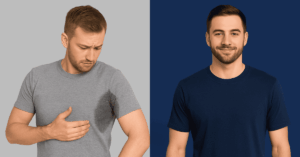
- Deep Navy – Dark enough to mask moisture while looking polished and professional.
- Charcoal, dark brown, aubergine, forest green – Any deep, saturated tone works well.
Unexpectedly good: very light colours
- Off-white and ivory – When fabric is barely darker than skin tone, sweat patches blend in.
- Sand, beige, blush, and pale sage – Elegant and far more forgiving than mid-tones.
Colours to avoid
- Medium grey – The single worst choice. Light enough to show stains, dark enough to contrast sharply.
- Light grey – Same problem. Sweat rings are dramatic and immediately visible.
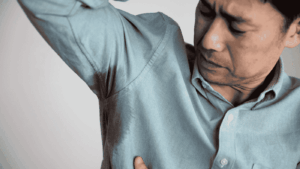
- Pale blue and mint green – Show moisture prominently. Save for cool, controlled environments only.
The power of patterns
Patterns – bold prints, fine stripes, checks, florals, or abstract designs are among the most effective camouflage strategies. A patterned shirt draws the eye away from any moisture and breaks up the uniform surface that makes sweat rings so visible on solid garments.
Fit & Silhouette: The Shape of Comfort
How a garment drapes on your body is just as important as what it’s made of. Fit determines how much air circulates, how much fabric clings to damp skin, and how visible moisture becomes.
Aim for a relaxed-but-tailored fit
The ideal fit is not oversized, and not body-hugging. Think of it as ‘one size roomier than your usual tailored fit.’ There should be enough space under the arms and across the torso for air to move freely, but not so much that the garment looks sloppy. Roomy through the armhole is key, this is where most people first notice sweat.
By garment type
- Tops & Shirts – Avoid slim-fit through the underarm area. Choose shirts cut with a higher, wider armhole or labelled ‘relaxed fit.’ Side seams sitting at your natural hip are a good sign.
- Trousers & Bottoms – Straight-leg and wide-leg allow airflow. Avoid skintight cuts through the thigh they trap heat and make inner-thigh sweating visible.
- Dresses & Skirts – A line and wrap silhouettes are excellent. Avoid form-fitting bodycon styles that press against the skin constantly.
- Outerwear – Opt for open-weave blazers or unlined jackets. Fully lined blazers trap heat significantly. A cotton or linen blazer can look just as polished while breathing far better.
Layering Strategies That Actually Work
Layering is one of the most underutilised tools for people who sweat. A well-chosen underlayer can intercept moisture before it reaches your outer garment, keeping you looking crisp far longer.
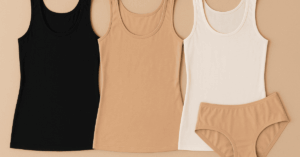
- A close-fitting undershirt made from merino wool, bamboo, or sweat-proof technical fabric acts as a moisture barrier. It absorbs perspiration so your outer layer stays dry. Look for slim-fit undershirts that won’t bulk up under your shirt. Invest in a quality undershirt.
- For open-collar shirts, use a V-neck or deep-V undershirt so it doesn’t show. Choose the right neckline for your undershirt.
- An unbuttoned overshirt, light jacket, or blazer provides a visual break. This works especially well in transitional or indoor environments. Use an open third layer to hide sweat lines.
- A white undershirt under a white or pale outer shirt shows through. Match your undershirt tone to your skin for the most seamless look under light-coloured garments. Choose your base layer colour wisely.
- Adding too many layers to ‘hide sweat’ can actually cause more sweating. Focus on high-quality breathable materials rather than adding bulk. Don’t over-layer in summer.
The Most Common Fashion Mistakes
Even with good intentions, people who sweat often make the same wardrobe choices that make things harder, not easier. Here are the biggest mistakes to avoid.
Wearing medium grey anything
Grey is arguably the worst colour choice. Medium grey shows sweat immediately and dramatically the rings are darker, larger-seeming, and very difficult to disguise.
Choosing tight, body-hugging tops
Skintight shirts press against the skin, prevent air circulation, and cling visibly when damp. The tighter the fit, the more obvious any moisture becomes.
Wearing thick, heavy cotton jersey T-shirts
The classic heavy-weight tee absorbs sweat like a sponge and stays wet for a long time. The thick fabric also shows wet patches clearly.
Wearing standard polyester blends
Low-quality polyester traps heat, does not wick moisture well, and develops odour quickly. It’s fine when specifically engineered as sportswear, but standard cheap blends are a bad choice.
Applying deodorant on top of clothing
Deodorant residue can combine with sweat to create yellow staining over time. Apply to clean dry skin and let it fully dry before dressing.
Ignoring the armhole cut
Many fitted dress shirts have very low-cut armholes that sit flush against the underarm, maximising sweat contact and visibility. Look for shirts with a higher, roomier armhole cut.
Wearing fully lined blazers and jackets in warm settings
A fully lined blazer is essentially a small oven. The lining traps air and heat completely. Choose unlined, half-lined, or open-weave blazers instead.
Wearing shoes without moisture-wicking socks
Never wear leather or canvas shoes without moisture-wicking socks. No-show socks designed for breathability are far better than going barefoot inside shoes.
Choosing silk or rayon for warm occasions
Silk and rayon show sweat immediately and dramatically. They also take a long time to dry. Reserve these for air-conditioned environments only.
Defaulting to solid pastels in summer
People often choose ‘safe’ pastels, but pastel solids are among the least forgiving for sweat visibility. A bold print or textured weave is a far smarter choice.
Building Your Core Wardrobe
You don’t need to replace your entire wardrobe. Focus on these key categories and choose wisely within them.
Tops – Merino T-shirts & Polos
Invest in 3–5 merino wool or bamboo T-shirts in dark and neutral tones. These will become your most-worn pieces.
Shirts – Linen & Fine Cotton
Linen shirts (long and short sleeve) in navy, white, and pattern. Poplin cotton shirts for more formal settings.
Undergarments – Sweat-proof Undershirts
Brands like Thompson Tee or Ejis make undershirts with waterproof underarm panels. A genuine game-changer for anyone who struggles with visible underarm sweat.
Bottoms – Linen & Chino Trousers
Straight-leg linen trousers and lightweight chinos in neutral tones. Breathable and polished simultaneously.
Outerwear – Unlined Cotton Blazer
A slim unlined cotton or linen blazer in navy or charcoal works for business-casual without the heat trap.
Footwear – Breathable Leather Shoes + Merino Socks
Shoes with genuine leather uppers breathe better than synthetic. Pair with merino no-show or ankle socks always.
Care, Maintenance & Practical Tips
Best practices
- Wash clothes promptly after sweating – don’t let sweat sit in fabric
- Use an enzyme-based stain remover on yellow underarm stains
- Air-dry garments when possible – it’s gentler on fibres
- Pre-treat armhole areas with a gentle soak before washing
- Rotate your wardrobe – don’t wear the same piece daily
- Store clothes clean – bacteria on unwashed clothes amplify odour
Things to avoid
- Washing on high heat – it sets sweat stains permanently
- Using bleach on yellow underarm stains (it actually worsens them)
- Tumble drying merino wool or bamboo items
- Ironing over sweat residue – heat sets the stain
- Storing damp clothes – accelerates odour and mildew
Quick practical tips for every day
- Keep a travel-sized clinical-strength antiperspirant at your desk or in your bag for reapplication when needed.
- Carry a spare shirt (rolled in a lightweight pouch) for long days, presentations, or events where confidence matters.
- Use clothing shields or underarm pads on special occasions – they are invisible under most fabrics and completely block armpit moisture from reaching your shirt.
- Consider breathable insoles for shoes, and change socks mid-day if foot sweating is a concern.
- When shopping, test the armhole fit before buying – extend your arms fully above your head and check how far the shirt rides up. If it lifts substantially, the armhole is too low-cut.
Dress for Your Body as It Actually Is
Sweating is not a style problem – it’s a physiological reality. The people who dress best with this challenge aren’t the ones who sweat less; they’re the ones who’ve made a few deliberate choices about fabric, colour, and fit. Do those three things well, and your wardrobe becomes a source of confidence rather than anxiety.
Dress for your body as it actually is, not as you wish it were, that’s the foundation of real style.