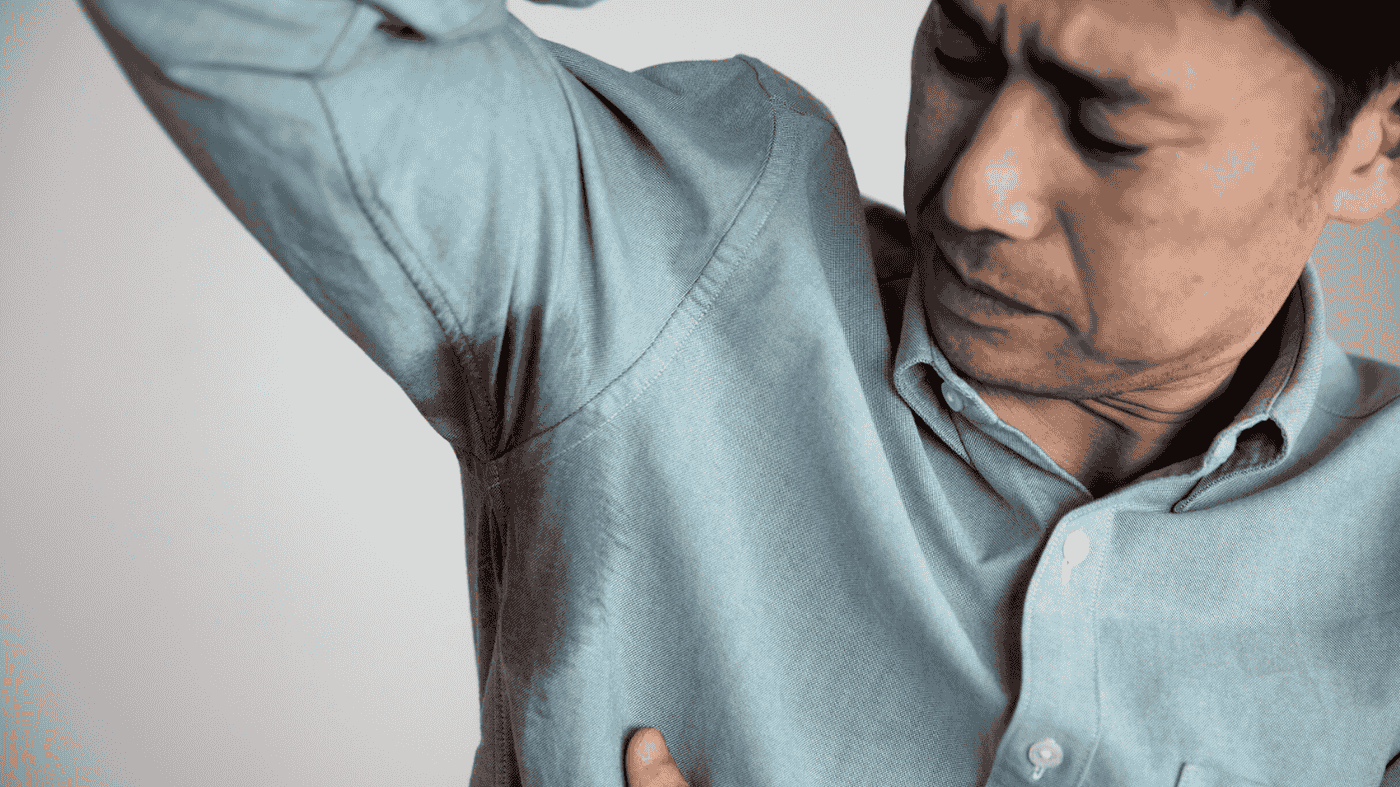
We’ve all been there—sitting in an important meeting or giving a presentation when you suddenly notice those dreaded wet patches under your arms. Underarm sweat marks can feel embarrassing, especially in professional settings where you want to look polished and confident. But here’s the good news: you’re definitely not alone, and there are plenty of practical ways to manage this common issue.
Let me share some tried-and-tested strategies that actually work.
| 😓 Facing This Problem? | ✅ Best Products from Amazon |
|---|---|
| Dark patches under arms? | Best Shirts That Hide Sweat |
| Excessive sweating? | Strongest Antiperspirants That Work |
| Sweat in formal meetings? | Breathable Formal Wear |
| Always sweating in summer? | Cooling Clothing You’ll Love |
| Shoes getting smelly? | Sweat-Resistant Shoes |
| Visible back sweat? | Undershirts That Actually Work |
1. Choose the Right Colors and Patterns
Your clothing choices make a huge difference when it comes to hiding sweat marks. Dark colors like black, navy, and charcoal gray are your best friends because they don’t show moisture as obviously. On the flip side, light colors like white and cream also work surprisingly well since sweat doesn’t create a stark contrast against them.
The tricky middle ground? Avoid gray, light blue, and khaki at all costs. These colors turn noticeably darker when wet and basically broadcast sweat marks to everyone around you.
Patterns are another smart choice. Busy prints, stripes, and textured fabrics naturally camouflage any dampness much better than solid colors.
2. Pick Fabrics That Work With You
Not all fabrics are created equal when it comes to sweat management. Natural, breathable materials like cotton allow air to circulate and help moisture evaporate faster. Linen is another excellent option, though it wrinkles easily, so consider that trade-off.
Moisture-wicking fabrics designed for athletic wear have also made their way into professional clothing. These high-tech materials pull sweat away from your skin and help it dry quickly. You can find dress shirts and blouses made with these fabrics that look completely professional.
Stay away from silk and polyester when possible. Silk shows every drop of moisture, and polyester tends to trap heat and sweat against your body, making the problem worse.
3. Layer Strategically
Layering is a game-changer. A well-fitted blazer, cardigan, or structured jacket not only looks professional but also hides what’s happening underneath. Keep your jacket on during meetings, or drape it over your chair in a way that conceals your underarm area.
For women, a lightweight scarf or shawl can work wonders and adds a stylish touch to your outfit.
4. Use Sweat-Proof Undershirts
Sweat-proof undershirts are specifically designed with absorbent pads sewn into the underarm area. Brands like Thompson Tee and Sweatshield have made these mainstream. They look like regular undershirts but contain layers that trap moisture before it reaches your outer clothing.
Yes, it means wearing an extra layer, but many people swear by them, especially during summer months or high-stress days.
5. Upgrade Your Antiperspirant Game
Switch from regular deodorant to a clinical-strength antiperspirant. The key difference? Antiperspirants actually reduce sweating, while deodorants just mask odor. Look for products containing aluminum chloride, which temporarily blocks sweat glands.
Here’s a pro tip: apply antiperspirant at night before bed. Your sweat glands are less active while you sleep, allowing the product to work more effectively. You can reapply in the morning for extra protection.
If over-the-counter options aren’t cutting it, talk to your doctor about prescription-strength antiperspirants or other treatments like Botox injections, which can reduce underarm sweating for months at a time.
6. Keep Sweat Pads or Tissue Handy
Disposable underarm sweat pads (also called dress shields) stick to the inside of your clothes and absorb moisture throughout the day. They’re thin, discreet, and can be a lifesaver during particularly stressful days or important events.
In a pinch, you can also excuse yourself to the restroom and use paper towels to blot the area and dry it with the hand dryer. It’s a quick fix that can help you get through the rest of your day.
7. Manage Stress and Temperature
Since stress and heat are major sweat triggers, managing both can help. Practice deep breathing before presentations or important meetings. Keep a small desk fan nearby if possible, or position yourself near air vents during meetings.
Stay hydrated throughout the day—it sounds counterintuitive, but drinking water actually helps regulate your body temperature and can reduce overall sweating.
8. Make Wardrobe Adjustments
Consider the fit of your clothes. Extremely tight clothing restricts airflow and increases sweating, while very loose clothing can show sweat marks more obviously. Aim for a comfortable, tailored fit that allows some breathing room without looking baggy.
Sleeveless or short-sleeved options under blazers can also help, as they eliminate the fabric-on-skin contact in your underarm area.
9. Have a Backup Plan
Keep a spare shirt in your desk drawer or car. Knowing you have a backup option can actually reduce the anxiety that often makes sweating worse. If you do need to change, a quick refresh can restore your confidence for the afternoon.
Remember: You’re Not Alone
Excessive sweating affects millions of people, and it’s a completely normal bodily function. Most people are far less focused on your sweat marks than you think—they’re usually too worried about their own concerns to notice yours.
If sweating significantly impacts your daily life and these tips aren’t helping enough, it might be worth talking to a dermatologist about conditions like hyperhidrosis, which is excessive sweating that can be medically treated.
In the meantime, experiment with these strategies to find what works best for you. With the right combination of clothing choices, products, and confidence, you can walk into any office situation feeling cool, calm, and comfortable.