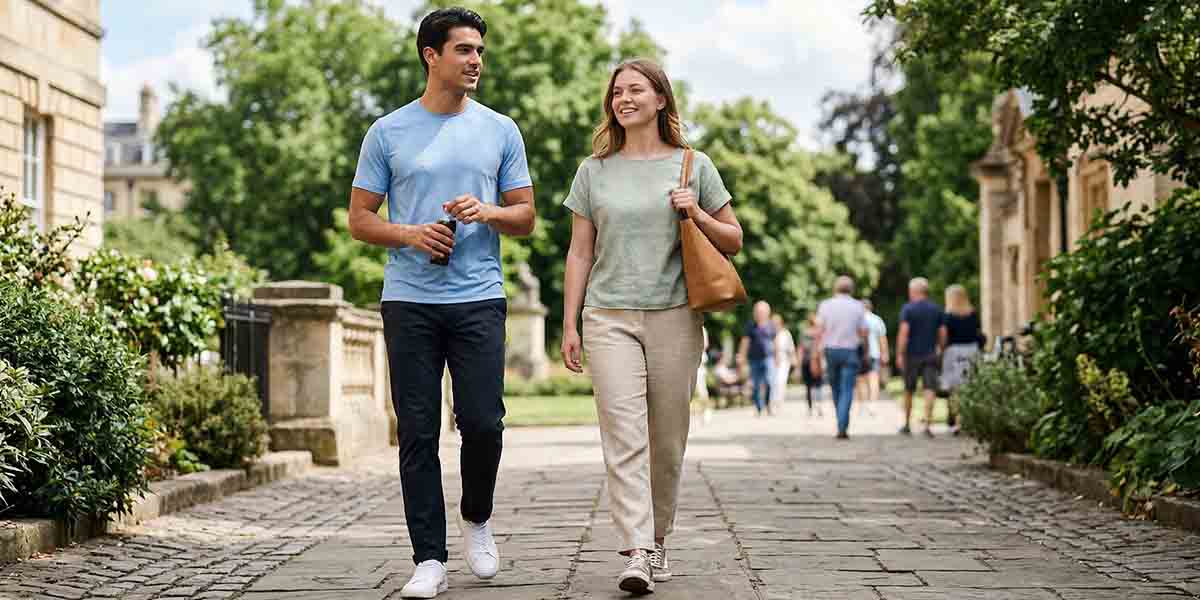
Let’s be honest — dealing with heavy sweating is not just a physical inconvenience. It affects how you carry yourself in a meeting, how you feel on a first date, and whether you raise your hand to answer a question in class. For millions of people living with hyperhidrosis or simply a body that runs a little hotter than average, getting dressed in the morning comes with an extra layer of calculation that most people never think about.
The good news is that with the right clothing choices, you can drastically reduce the visible signs of sweating and feel genuinely comfortable throughout your day. This guide is not about hiding who you are — it is about dressing smart so that sweat stops running your life.
Know the Problem Before Fixing It
Before diving into fabrics and colors, it helps to understand why some clothing makes sweating worse while other choices barely show a thing. Sweat itself is mostly water. The visible stains and the wet patches you see on shirts are caused by a combination of sweat volume, fabric absorbency, and how quickly the moisture can evaporate.
Tight clothing traps heat close to the body, which causes more sweating. Synthetic fabrics that do not breathe create a humid layer right against your skin. Dark or light solid colors tend to show moisture differently depending on the fabric. And certain cuts — like fitted underarms — make sweat patches immediately visible to everyone around you.
Once you understand that equation, the choices you make start to make a lot more sense.
| 😓 Facing This Problem? | ✅ Best Products from Amazon |
|---|---|
| Dark patches under arms? | Best Shirts That Hide Sweat |
| Excessive sweating? | Strongest Antiperspirants That Work |
| Sweat in formal meetings? | Breathable Formal Wear |
| Always sweating in summer? | Cooling Clothing You’ll Love |
| Shoes getting smelly? | Sweat-Resistant Shoes |
| Visible back sweat? | Undershirts That Actually Work |
The Fabric Question: What Actually Works
Fabric is the single most important factor when dressing for a sweaty body. Not all natural fabrics are equal, and not all synthetic ones are bad. Here is a practical breakdown:
Natural Fabrics That Help
Cotton
Cotton is the most popular recommendation, and for good reason. It is soft, breathable, and absorbs moisture away from your skin. The downside is that once cotton is soaked, it stays wet and can feel heavy and clingy. Lightweight cotton works better than thick cotton. Look for shirts labeled ‘jersey knit’ or ‘lightweight cotton’ rather than anything described as ‘structured’ or ‘rigid.’
Linen
Linen is one of the best fabrics you can wear if you sweat heavily, especially in warmer months. It is highly breathable, dries quickly, and has a natural texture that tends to mask sweat patches better than smooth cotton. The wrinkled look that linen develops throughout the day is now widely accepted as part of the aesthetic, so you do not need to worry about looking unkempt.
Bamboo
Bamboo-derived fabrics have become increasingly popular in recent years, and they genuinely earn the praise. Bamboo is naturally moisture-wicking, temperature-regulating, and incredibly soft against the skin. Shirts and undershirts made from bamboo blends are especially worth trying for people who sweat from the torso and underarms.
Merino Wool
This one surprises people. Wool sounds like the worst idea possible for someone who sweats, but merino wool is a different animal entirely. It is lightweight, naturally odor-resistant, moisture-wicking, and temperature-regulating. It keeps you cool in summer and warm in winter. Many people who sweat heavily swear by merino wool base layers and t-shirts.
Synthetic Fabrics and When They Work
Standard polyester and nylon trap heat and make sweating worse. However, performance or athletic versions of these fabrics are specifically engineered to wick moisture away from the body and dry quickly. Fabrics labeled ‘moisture-wicking,’ ‘Dri-FIT,’ ‘ClimaCool,’ or similar are designed for active bodies and can be genuinely helpful. The trick is that many of these look clearly athletic, so choosing when and where to wear them matters.
Some brands now produce performance fabrics that are designed to look like everyday office wear — dress shirts with moisture-wicking liners, chinos with stretch fabric that breathes better. These are worth seeking out if you need to dress professionally.
Color Strategy: What Shows Less
Color selection is a game-changer and one of the easiest adjustments you can make without spending a cent. The conventional advice is to avoid light colors because they show sweat more — and that is partially true. But the full picture is a bit more nuanced.
Colors That Hide Sweat Best
- Black: The classic choice. Sweat patches on black fabric are nearly invisible in most lighting conditions. Black is your friend.
- Dark navy: Almost as effective as black and a bit easier to style in casual settings.
- Dark charcoal grey: Works well for both casual and business contexts.
- Deep burgundy, forest green, or dark brown: These rich, dark tones mask moisture effectively.
- Patterned fabrics: Busy patterns — stripes, checks, prints, florals — break up the visual plane and make moisture patches hard to spot. A patterned shirt can be far more forgiving than a plain one.
Colors to Be Careful With
- Grey (especially medium grey): This is widely considered the worst color for showing sweat. Even a small patch becomes immediately visible on medium grey fabric.
- Light blue: Popular for work shirts but shows underarm dampness quickly.
- White: Counterintuitively, white can hide sweat in the short term, but it yellows over time and shows staining easily.
- Any light pastel: Pale yellow, light pink, sage green — all show moisture patches clearly.
A helpful tip: when you need to wear lighter colors for a specific occasion, choose a thicker, structured fabric that is less likely to cling and show patches, and layer strategically.
Cut and Fit: The Underrated Variables
You could wear the perfect fabric in the perfect color and still end up with visible sweat patches if the cut is wrong. Fit affects airflow, which affects how much you sweat, and it affects how clearly sweat shows.
Looser Is Usually Better
Fitted clothes look sharp, but they sit right against your skin, trap heat, and show every bit of moisture. A slightly relaxed fit allows air to circulate between the fabric and your body, which helps sweat evaporate before it soaks through. You do not need to go oversized — just avoid anything that feels tight when you move.
Underarm Design Matters
Fitted shirts with narrow underarms are the fastest way to show sweat patches. Look for shirts with dropped armholes or raglan sleeves. These designs pull the underarm seam slightly away from the actual armpit area, which means less direct contact with where you sweat most.
Some performance brands now make shirts with specially designed underarm panels in breathable mesh or a different fabric entirely. These are worth the investment if underarm sweating is your biggest concern.
Layering to Your Advantage
A well-chosen undershirt can be your best weapon. Wearing a moisture-wicking undershirt beneath your main shirt creates a barrier that absorbs sweat before it reaches your outer layer. Choose fitted undershirts in bamboo, merino wool, or athletic moisture-wicking fabric.
For women, a lightweight camisole or tank top beneath a blouse or blazer serves the same purpose. The outer layer stays dry while the inner layer handles the moisture.
Blazers and cardigans also serve as an excellent outer layer — they absorb sweat from your shirt while keeping you looking put together, and they are easy to remove if you get too warm.
Specific Situations and What to Wear
Office and Professional Settings
This is where the pressure is highest. You want to look polished but not feel like you are baking inside synthetic fabric. A few reliable combinations:
- Dark navy or charcoal dress trousers with a loose-fitting linen or cotton-blend button-down shirt.
- A blazer in a breathable wool blend worn over a moisture-wicking undershirt — the blazer hides any dampness on your shirt.
- Dark-colored business dresses in natural fabrics for women who prefer dresses.
- Avoid white dress shirts unless you are wearing a jacket over them all day.
Casual and Social Settings
This is where you have the most freedom. Lean into it:
- Patterned t-shirts or casual button-downs in dark tones.
- Linen shorts or trousers for warmer days.
- Athletic-inspired casual wear with moisture-wicking fabric if the setting permits.
- Loose-fitting jeans in darker washes rather than light denim.
Formal Events
Formal events are stressful because there is often less flexibility in what you can wear. A few approaches that help:
- Wear a well-fitted undershirt beneath your dress shirt or blouse to protect the outer layer.
- Choose a darker suit color — charcoal or navy over light grey.
- For women, consider structured dresses in thicker fabric that does not cling when damp.
- Carry a small pack of absorbent underarm pads if needed — these are widely available and go unnoticed under clothing.
Hot Weather and Summer
Summer is the toughest season. The best approach is embracing breathability over everything else:
- Loose linen or cotton in darker tones.
- Wide-leg trousers instead of fitted jeans.
- Loose sundresses or skirts for women — these allow air circulation far better than fitted bottoms.
- Open weave or textured fabrics that allow more airflow.
- Light-colored clothing in the shade when you are not moving around much, switching to darker options when you know you will be active.
Practical Habits That Work Alongside Smart Dressing
Clothing alone can only do so much. A few habits alongside your wardrobe choices can make a meaningful difference:
Clinical-Strength Antiperspirant
If you are not already using a clinical-strength antiperspirant applied at night, start there. These are available over the counter and work significantly better than standard deodorants for people with excessive sweating. Apply to clean, dry skin before bed so the active ingredients can work overnight.
Keep Backup Options Available
Keeping a fresh shirt in your bag or car is not a sign of defeat — it is smart planning. Many people with hyperhidrosis keep a small bag with a change of clothing for long days or important events.
Choose Your Fabrics at Purchase
Get in the habit of checking fabric labels before you buy. When you are shopping in a hurry and do not check, you often end up with something that looks great in the store and causes you misery in real life. A few seconds checking the tag saves a lot of discomfort later.
Wash Frequently and Gently
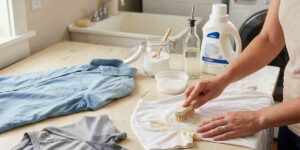
Sweat degrades fabric over time. Washing your clothes promptly after wearing them and using a gentle detergent helps maintain the fabric’s integrity and keeps odors from setting in. For moisture-wicking fabrics, avoid fabric softener as it clogs the pores in the material and reduces its effectiveness.
A Word on Confidence
All of these tips are practical and genuinely useful, but the most important thing to say is this: sweating is a normal human function. Some bodies simply do it more than others, and that is not a personal failing or something to be ashamed of.
Dressing smart reduces the visible signs of sweating and helps you feel more comfortable in your own skin — but it is not about erasing who you are or hiding from the world. The goal is to spend less mental energy worrying about what your shirt looks like and more energy on the conversation you are in, the work you are doing, or the moment you are living.
When your clothes are working for you instead of against you, that shift happens naturally. You stop checking your reflection in every window. You stop angling your arms a certain way in photos. You stop choosing seats based on who will be sitting next to you.
That freedom is what smart dressing is really about.
Quick Reference Summary
Best Fabrics
- Merino wool — breathable, odor-resistant, moisture-wicking
- Linen — excellent airflow, dries fast, hides patches well
- Bamboo — soft, moisture-wicking, temperature-regulating
- Lightweight cotton — widely available and breathable
- Performance synthetics labeled moisture-wicking — good for active settings
Best Colors
- Black
- Dark navy
- Charcoal grey
- Deep jewel tones
- Busy patterns and prints
Avoid When Possible
- Medium grey
- Light blue
- Light pastels
- Heavily structured or stiff synthetic fabrics
- Very tight or form-fitting cuts