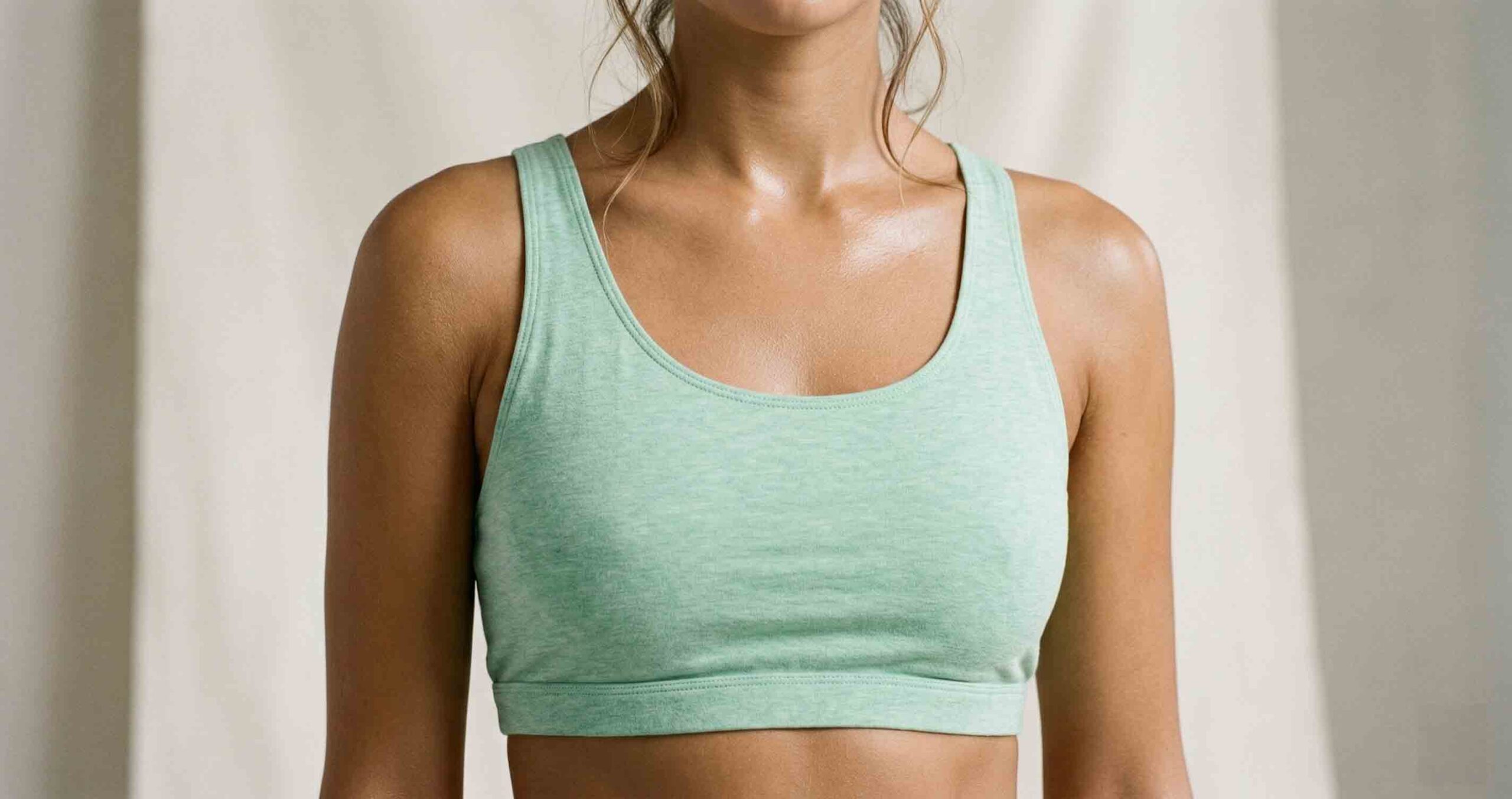
Underboob sweat — perspiration that accumulates in the skin fold beneath the breasts — is an extremely common and completely natural occurrence. Yet despite how widespread it is, many people feel embarrassed or frustrated by it. The truth is, sweat in the inframammary fold (the medical term for the crease under the breasts) affects people of all body types, ages, and activity levels.
This guide covers everything you need to know: why it happens, when it becomes a medical concern, and a comprehensive toolkit of solutions — from everyday hygiene habits and clothing choices to clinical-strength treatments and lifestyle changes.
Why Does Underboob Sweat Happen?
Understanding the underlying causes is the first step toward finding effective solutions. Underboob sweat occurs due to a combination of anatomical, physiological, and environmental factors.
The Anatomy of the Problem
The inframammary fold is a natural skin crease where two skin surfaces meet and press against each other. This closed, warm, and often moist environment is inherently prone to sweat accumulation for several reasons:
- Reduced airflow: Skin-on-skin contact blocks ventilation, trapping heat and moisture.
- High density of eccrine sweat glands: The chest area contains a significant concentration of sweat glands.
- Friction: Bra fabric and breast tissue rubbing against skin generates additional heat.
Common Contributing Factors
Body Temperature & Climate
Hot and humid weather is the most obvious trigger. When ambient temperature rises, the body activates its cooling system — sweating — and areas with trapped heat (like under the breasts) experience disproportionately high sweat production.
Breast Size
Larger breasts create a deeper, more enclosed fold with greater skin-to-skin contact. This naturally increases heat retention and reduces airflow — but it is important to note that people with smaller breasts are also affected, particularly during physical activity or in hot weather.
Physical Activity
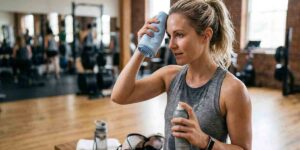
Exercise raises core body temperature, triggering increased perspiration across the body. High-intensity activities such as running, cycling, or gym workouts naturally produce more sweat in the underboob area. Even moderate activity like walking on a warm day can be enough to cause noticeable moisture buildup.
Hormonal Changes
Hormonal fluctuations significantly affect sweating patterns. Common hormonal triggers include:
- Menstruation: Progesterone rises before a period, slightly increasing body temperature.
- Pregnancy: Increased blood volume, metabolism, and breast size all amplify underboob sweating.
- Menopause: Hot flashes and night sweats are extremely common menopausal symptoms that intensify perspiration.
- Thyroid disorders: Both hyperthyroidism and certain thyroid medications can increase sweating.
Diet & Lifestyle
Certain foods and lifestyle habits can increase overall sweat production, including spicy foods, caffeine, alcohol, and high-sodium diets. Being overweight or obese is also associated with increased sweating due to greater heat insulation and a higher metabolic rate.
When to See a Doctor
While underboob sweat is usually a cosmetic and comfort issue, there are some situations that warrant medical attention.
Intertrigo
Intertrigo is an inflammatory skin condition that develops in skin folds due to moisture, heat, and friction. Signs include redness, raw or cracked skin, itching, burning, and an unpleasant odor. If left untreated, intertrigo can develop secondary bacterial or fungal infections, so prompt treatment is important.
Fungal Infections (Tinea Versicolor / Candidiasis)
Warm, moist skin folds are ideal breeding grounds for fungi. Candida yeast infections under the breasts cause a red, itchy rash with satellite pustules at the edges. A doctor can prescribe antifungal creams or oral medications to clear the infection effectively.
Hyperhidrosis
Primary hyperhidrosis is a medical condition characterized by excessive sweating that is disproportionate to any physical or environmental trigger. If underboob sweating is severely disrupting your daily life, quality of sleep, or self-confidence, speak with a dermatologist. Clinical treatments are available and highly effective.
Daily Hygiene Solutions
For most people, an optimized daily hygiene routine provides significant relief from underboob sweat and its side effects.
Washing and Drying Thoroughly
Cleanse the inframammary fold at least once daily with a gentle, pH-balanced soap or body wash. Harsh soaps can strip the skin of its natural protective barrier, making it more susceptible to irritation and infections. After washing, dry the area completely — pat (do not rub) with a clean towel. Even a small amount of residual moisture can encourage bacterial and fungal growth. A hairdryer on a cool setting can be helpful for thorough drying.
Antiperspirant Application
Applying antiperspirant to the skin under the breasts is one of the most effective and immediate solutions. Antiperspirants work by temporarily blocking sweat ducts using aluminum-based compounds. Key tips:
- Apply to clean, completely dry skin for maximum effectiveness.
- Applying at night allows the active ingredients to work while your sweat glands are less active.
- Clinical-strength formulas (available over the counter) contain higher concentrations of aluminum and are more effective for persistent sweating.
- Stick or roll-on formats tend to work better than sprays for skin folds.
Powders and Moisture-Absorbing Products
Absorbent powders create a dry barrier between skin surfaces, reducing friction and moisture buildup. Options include:
- Cornstarch-based powders: Natural and gentle, cornstarch effectively absorbs moisture. Look for body powders with soothing additives like aloe vera.
- Talc-free baby powder: Widely used and gentle on sensitive skin.
- Specialized anti-chafe powders: Brands like Zeasorb and Gold Bond Friction Defense are specifically formulated for skin fold moisture management.
- Baking soda (with caution): A small amount can absorb moisture and neutralize odor, but it can irritate sensitive or broken skin — avoid if you have any redness or rashes.
| 😓 Facing This Problem? | ✅ Best Products from Amazon |
|---|---|
| Dark patches under arms? | Best Shirts That Hide Sweat |
| Excessive sweating? | Strongest Antiperspirants That Work |
| Sweat in formal meetings? | Breathable Formal Wear |
| Always sweating in summer? | Cooling Clothing You’ll Love |
| Shoes getting smelly? | Sweat-Resistant Shoes |
| Visible back sweat? | Undershirts That Actually Work |
Clothing and Bra Solutions
What you wear has a dramatic impact on underboob sweat. The right bra and clothing choices can significantly reduce moisture buildup and discomfort.
Choosing the Right Bra
Fabric Matters Most
The fabric of your bra directly affects how much heat and moisture is trapped beneath it. Best fabrics for reducing underboob sweat:
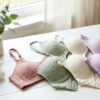
- Moisture-wicking synthetics: Fabrics like Coolmax, Dri-FIT, and similar technical materials actively pull moisture away from the skin and allow it to evaporate quickly. Ideal for exercise and hot weather.
- Bamboo fabric: Naturally moisture-wicking, breathable, antibacterial, and soft on sensitive skin.
- Cotton: Breathable and comfortable, though it absorbs and holds moisture rather than wicking it away. Best for low-activity daily wear in moderate temperatures.
- Avoid: Synthetic fabrics like nylon and polyester without moisture-wicking treatment trap heat and moisture and worsen sweating.
Fit and Style
A well-fitting bra provides proper support that lifts breast tissue away from the chest wall, improving airflow. Poorly fitting bras create additional pressure and friction. Consider:
- Get professionally fitted: An incorrectly sized bra is one of the most common causes of underboob discomfort. Up to 80% of people wear the wrong bra size.
- Underwire bras: When properly fitted, underwire lifts the breasts and reduces skin-on-skin contact.
- Sports bras: Choose ones specifically designed with moisture-wicking panels and mesh ventilation zones for exercise.
- Bralettes and soft bras: Can reduce pressure and improve comfort on low-activity days but may not provide the lift needed to reduce skin contact.
Bra Liners and Sweat Pads
Bra liners are fabric inserts designed to sit between the bra band and skin, absorbing sweat and preventing it from soaking through clothing. Available in disposable and reusable forms, they are a practical and discreet solution for daily use. Reusable options made from bamboo or cotton are washable and eco-friendly. Some liners are infused with antibacterial properties to reduce odor.
Clothing Choices
Outer clothing also plays a role. Opt for loose-fitting tops that allow air circulation. Breathable natural fabrics or technical moisture-wicking materials are preferable. Avoid tight, non-breathable tops that trap heat against the body. Wearing light-colored clothing in summer can also help, as dark colors absorb more heat from sunlight.
Physical and Barrier Solutions
Beyond hygiene and clothing, a range of physical barrier and topical products can provide immediate relief.
Anti-Chafe Balms and Sticks
Anti-chafe products create a smooth, frictionless barrier on the skin, preventing irritation from moisture and rubbing. Popular products like Body Glide, Monistat Chafing Relief Powder Gel, and similar balms are clear, non-greasy, and long-lasting. They do not stop sweating but prevent the discomfort and skin damage that comes with it.
Moisture-Wicking Fabric Strips
Self-adhesive fabric strips can be applied directly to the underboob area to absorb moisture and create a dry barrier. These are especially useful for those who prefer not to wear a bra or who need extra protection on particularly hot days.
Skin Barrier Creams
Products containing dimethicone (a silicone-based skin protectant) or zinc oxide create a protective film on the skin that reduces moisture-related irritation. These are particularly helpful for those prone to intertrigo or skin rashes. Many diaper rash creams contain zinc oxide and can be repurposed effectively for underboob skin protection.
Natural and Home Remedies
Several natural approaches can complement other solutions, particularly for those seeking to minimize the use of chemical products.
- Apple cider vinegar: Applied diluted to the skin, it can help balance skin pH and has mild antibacterial properties. Dilute 1 part vinegar with 2 parts water before applying, and avoid using on broken or irritated skin.
- Witch hazel: A natural astringent that temporarily tightens pores and reduces sweating. Apply with a cotton pad to clean skin.
- Aloe vera gel: Soothes irritated skin, provides a cooling effect, and has mild antiperspirant properties. Use pure aloe gel or products with a high aloe concentration.
- Tea tree oil (diluted): Has antifungal and antibacterial properties that can help prevent secondary infections. Always dilute with a carrier oil before applying to skin.
- Coconut oil: Contains lauric acid with antibacterial properties. Can be applied as a light moisturizer to soothe and protect the skin fold.
Note: Natural remedies can help manage symptoms but are generally less effective than clinical products for heavy sweating. Consult a doctor if you develop a rash, irritation, or suspect an infection.
Lifestyle Changes for Long-Term Relief
Addressing broader lifestyle factors can meaningfully reduce underboob sweat over the long term.
- Stay hydrated: Drinking plenty of water helps regulate core body temperature more efficiently, potentially reducing the intensity of sweating.
- Manage body weight: Excess body weight increases metabolic heat production and reduces the skin’s ability to dissipate heat effectively. Even moderate weight loss can reduce sweating.
- Adjust diet: Reduce spicy foods, caffeine, and alcohol, all of which are known to increase perspiration. Focus on a balanced diet rich in fruits and vegetables.
- Manage stress: Stress triggers the sympathetic nervous system to increase sweat production. Practices like yoga, meditation, and regular exercise can help regulate stress-related sweating.
- Stay cool: Use fans, air conditioning, cooling towels, and cooling sprays to keep your body temperature down in hot weather.
- Sleep in breathable fabrics: Wearing moisture-wicking or loose cotton sleepwear and using breathable bedding can reduce nighttime underboob sweating.
Quick Reference: Solutions at a Glance
| Category | Top Solutions | Best For |
| Daily Hygiene | Gentle cleansing, thorough drying, antiperspirant | Everyday management |
| Powders & Balms | Cornstarch powder, anti-chafe sticks, zinc oxide creams | Immediate friction & moisture relief |
| Bra & Clothing | Moisture-wicking fabrics, bra liners, proper fit | All-day comfort |
| Natural Remedies | Witch hazel, aloe vera, diluted apple cider vinegar | Mild sweating, sensitive skin |
| Clinical Treatment | Prescription antiperspirants, Botox injections | Hyperhidrosis, severe cases |
| Lifestyle Changes | Hydration, diet adjustment, stress management | Long-term reduction |
Underboob sweat is a normal, universal experience — not something to be ashamed of. With the right combination of daily hygiene habits, smart clothing choices, and targeted products, it is highly manageable for the vast majority of people.
Start with the basics: keep the area clean and dry, use a clinical-strength antiperspirant, switch to moisture-wicking bra fabrics, and carry an anti-chafe product during hot days or workouts. For persistent or severe cases, do not hesitate to consult a dermatologist — effective medical treatments are available and can dramatically improve quality of life.
Remember: your body is doing exactly what it is designed to do. With the right tools and knowledge, underboob sweat can be managed confidently and comfortably.