1. Start with the Right Product: Antiperspirants, Not Just Deodorants
-
Use antiperspirants with aluminum compounds like aluminum chloride or chlorohydrate (10–20%). They work by temporarily blocking sweat ducts to keep you drier. Apply to clean, dry skin at night—that gives it time to absorb and form a plug overnight
-
For sensitive or clinical-strength needs, look for dermatologist-approved formulas like Dove Clinical Protection, Degree Clinical, or Biotherm Deo Pure cream. These offer long-lasting sweat control without residue.
2. Prep Your Underarms Smartly
-
Shave or trim armpit hair to let antiperspirant reach your skin directly—and reduce odor caused by trapped moisture.
-
Patience pays off—night-time application followed by morning wash and then regular deodorant gives best results.
3. Lifestyle Tweaks That Make a Difference
-
Skip caffeine, spicy foods, and alcohol, all of which may crank up your internal temperature and trigger sweating
-
Stay hydrated—paradoxical as it sounds, it helps your body cool itself more effectively.
-
Wear breathable, loose clothes (cotton, linen), especially loose fits, to let air flow and discourage sweat buildup.
4. Try Natural Aids Carefully
-
Apple cider vinegar or other astringents like baking soda + cornstarch may help tighten pores and reduce odor—but patch test first (these can irritate or cause discoloration, especially on darker skin).
-
Stress management techniques—deep breathing, meditation—are helpful if your sweat spikes in anxious situations.
-
Acupuncture has shown promise in easing menopause- or stress-related sweating, though evidence is still limited.
5. Explore Medical & Cosmetic Solutions (If Needed)
If home remedies aren’t enough:
-
Prescription antiperspirants like Drysol (aluminum chloride hexahydrate) can help more stubborn sweating
-
Qbrexza® topical wipes (anticholinergic) offer targeted sweat reduction—must be prescribed
-
Botox injections can quiet sweat glands for 6–12 months per session
-
miraDry® uses electromagnetic energy to reduce underarm sweat long-term—acceptable results in over 90% of patients
-
Surgical options (like sweat gland removal or ETS sympathectomy) are last-resort choices—effective but invasive
6. Protect Clothing with Absorbent Shields
-
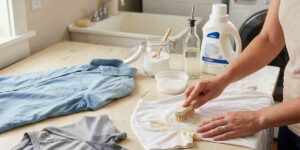
Underarm liners (also called sweat guards or dress shields) are stuck onto clothing to absorb sweat and preserve your outfit—easy and stain-free alternative.
-
Sweat-friendly clothing colors (e.g., earth tones like olive and slate) cleverly camouflage wet spots.
7. Listen to the Experts
Dermatologists emphasize foundational steps:
-
Always apply to dry skin, preferably after cleansing
-
Night application boosts absorption and effectiveness
-
Medical treatments are effective and available if sweating disrupts your daily life
Handy Quick Checklist
| Step | What to Do |
|---|---|
| Night Prep | Shower, dry your underarms, shave if you like, then apply antiperspirant |
| Morning Routine | Rinse off, dry, and apply deodorant/antiperspirant again |
| Lifestyle Fixes | Stay hydrated, eat cool water-rich foods, reduce caffeine/spice/alcohol |
| Clothing Choice | Be comfy with airy, breathable fabrics and sweat-friendly tones |
| Extras | Use liners, try natural astringents (gently), manage stress |
| Next Level Help | Talk to a dermatologist about prescription or cosmetic options |
Recommended Product Option
For a solid balance of effectiveness and skin-friendliness, consider trying clinical-strength antiperspirants such as Certain Dri or Dove Clinical Protection, as highlighted in recent reviews. They offer long-lasting sweat control, often with gentle formulas
Final Thoughts
Beating armpit sweat is all about layering smart habits, gentle skincare, and the right tools. Start with simple steps at night, wear what lets your skin breathe, and stay open to medical options if needed. With a caring approach and a few thoughtful swaps—your confidence will shine, sweat-free.