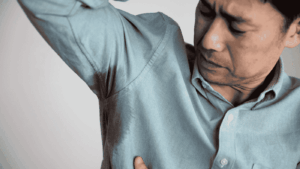

Sweating is one of the body’s most essential functions. It regulates temperature, removes toxins, and keeps the internal system balanced. Nobody disputes that. But there is a big difference between sweating that serves a purpose and sweating that shows up uninvited — on a job interview morning, during a first date, or in the middle of an important presentation.
A sweat-free lifestyle is not about stopping your body from doing what it naturally does. It is about building habits, routines, and choices that reduce unnecessary sweating and manage it better when it happens. This guide walks through the practical side of that — what causes excessive sweating, which lifestyle changes actually work, and how to build a daily routine that keeps you feeling fresh and confident without depending entirely on products or quick fixes.
What a Sweat-Free Lifestyle Actually Means
Before getting into routines and remedies, it is worth being honest about what this lifestyle is and what it is not. The human body has between two and four million sweat glands. Even on a cool day, you are sweating lightly — you just do not notice it. Visible sweating, soaked shirts, or that clammy-hands feeling before a big moment is what most people want to avoid.
A sweat-free lifestyle is really about three things:
- Reducing the frequency and intensity of excessive or socially inconvenient sweating
- Managing sweat effectively so it does not affect your confidence or clothing
- Understanding your personal sweat triggers and eliminating them where possible
This is a lifestyle built on consistent small choices, not a single product or trick. Think of it as similar to maintaining a healthy diet — no one meal fixes everything, but better daily decisions add up.
| 😓 Facing This Problem? | ✅ Best Products from Amazon |
|---|---|
| Dark patches under arms? | Best Shirts That Hide Sweat |
| Excessive sweating? | Strongest Antiperspirants That Work |
| Sweat in formal meetings? | Breathable Formal Wear |
| Always sweating in summer? | Cooling Clothing You’ll Love |
| Shoes getting smelly? | Sweat-Resistant Shoes |
| Visible back sweat? | Undershirts That Actually Work |
Understanding Why You Sweat More Than You Should
Most people sweat more than necessary not because of a medical condition but because of habits and lifestyle factors they have never examined closely. Here are the most common culprits:
Diet and What You Eat
Spicy foods are the obvious offenders, but the list is longer than most people think. Caffeine stimulates the nervous system and raises heart rate, both of which trigger sweat. Alcohol causes the blood vessels to dilate and raises body temperature. Processed foods with high sodium content force the body to work harder to maintain balance. Even very hot meals, regardless of ingredients, can get the sweat glands going.
On the other side of that equation, foods like leafy greens, cucumbers, and water-rich fruits actually help regulate body temperature more smoothly. Staying well hydrated, counterintuitively, reduces the need for the body to sweat heavily to cool down.
Stress and Mental State
Emotional sweating is a real thing, and it is different from physical sweating. When the brain perceives stress or anxiety — even low-level background stress — it activates the apocrine glands, which are concentrated in the armpits, palms, and forehead. This is where that damp handshake or underarm stain in a meeting comes from, even when the room is perfectly cool.
Chronic stress keeps this system in a heightened state. People who carry constant tension in their lives often find they sweat more throughout the day, not just during obviously stressful moments.
Clothing Choices
Synthetic fabrics like polyester and nylon trap heat close to the body. They may wick moisture away from the skin in some athletic contexts, but in everyday wear, they tend to make you warmer. Tight clothing restricts airflow and increases skin temperature.
The fabric you wear is one of the fastest things you can change to reduce visible sweating. It requires zero willpower and delivers noticeable results almost immediately.
Weight and Fitness Level
Carrying extra body weight increases the amount of physical effort required for daily movement, which in turn raises baseline body temperature. People who are sedentary also tend to have a lower heat tolerance because their cardiovascular system is less efficient at managing temperature changes.
Regular exercise, over time, actually improves temperature regulation. Fit individuals tend to begin sweating earlier during exertion but also cool down more efficiently, meaning they return to a normal state faster.
Building Your Sweat-Free Daily Routine
The difference between a person who seems effortlessly fresh and someone who is constantly dealing with sweat often comes down to a morning routine and a handful of consistent habits. Here is how to structure your day.
Morning: Set the Foundation
A cool shower in the morning does more than wake you up. It lowers your core body temperature and gives your skin a neutral baseline before the day starts. If you have time, finishing with thirty seconds of cold water on the back of your neck and underarms reduces localized sweating in those areas for the first few hours of the day.
After showering, dry yourself completely before applying any antiperspirant or deodorant. Products applied to damp skin are less effective. Apply antiperspirant to dry underarms and, if you are prone to sweating on the hands or feet, consider applying a small amount to those areas as well.
Choose your clothing with intention. Natural fabrics like cotton, linen, and bamboo are breathable and reduce heat buildup throughout the day. Loose-fitting clothes allow air to circulate. Darker colors hide any moisture that does appear. Light layers give you the ability to adjust to different temperatures rather than being stuck in one outfit that either traps heat indoors or leaves you cold outside.
Throughout the Day: Manage the Triggers
Stay hydrated. Drinking cool water consistently throughout the day helps your body manage temperature without relying as heavily on sweating. Aim for water, not sugary drinks or excessive coffee.
Watch what you eat, especially if you have something important later in the day. If you have a meeting, presentation, or social event, avoiding heavy spicy meals in the hours before makes a real difference. A light lunch of salad, vegetables, or lean protein is less likely to spike your body temperature than a spicy curry or a heavy fried meal.
When stress builds up, take short breaks. Step outside. Take a few deep, slow breaths. The nervous system responds to these signals quickly, and even a two-minute mental reset can reduce stress-triggered sweating during a busy afternoon.
Evening: Wind Down and Reset
An evening routine matters more than most people realize. A cool or lukewarm shower before bed removes sweat, bacteria, and the residue of products from the day. Clean skin breathes better overnight and is more responsive to any products you apply.
Sleeping in a cool room — ideally between 18 and 20 degrees Celsius — prevents nighttime sweating that can disrupt sleep and leave you starting the next morning already feeling overheated. Breathable cotton bed linens help significantly.
Antiperspirants, Deodorants, and When to Use Each
These two products are often confused but do different jobs. A deodorant masks or neutralizes odor but does nothing to reduce sweating. An antiperspirant temporarily blocks sweat glands using active ingredients, typically aluminum-based compounds, and also usually contains deodorant properties.
For a sweat-free lifestyle, antiperspirant is the relevant product. Here is how to use it correctly:
- Apply at night, not in the morning. Antiperspirants work by entering the sweat glands and forming a temporary gel plug. This process takes several hours and works best when the glands are less active — which is during sleep, not right before you head out the door. Applying at night significantly improves effectiveness.
- Apply to completely dry skin. Moisture on the skin reduces how well the active ingredients penetrate.
- Give it a few days. If you have never used antiperspirant consistently, it may take three to four nights of consecutive application before you notice the full effect.
- If standard products are not working, clinical-strength antiperspirants are available over the counter and contain a higher concentration of active ingredient. These are appropriate for people with persistent sweating who have not found results with regular products.
For people who prefer to avoid aluminum-based products, natural alternatives using baking soda, magnesium, or zinc are available. These tend to be more effective as odor control than as sweat reduction, but for mild sweating they can work well, particularly when combined with other lifestyle adjustments.
Fabric and Fashion Choices That Help
Clothing is one of the most underestimated tools in managing sweat. The right fabrics and cuts can make you noticeably more comfortable, while the wrong choices create a feedback loop of heat and perspiration.
Best Fabrics for a Sweat-Free Day
Cotton is the go-to for everyday wear. It absorbs moisture, allows airflow, and is gentle on skin. The downside is that once it is soaked, it stays wet for a while. For high-intensity situations, this can be a problem, but for normal daily activity it performs well.
Linen is even more breathable than cotton and dries faster. It is excellent for hot weather. The slight wrinkle factor that some people dislike is a small trade-off for the thermal comfort it provides.
Bamboo fabric is becoming more widely available and has natural moisture-wicking and antibacterial properties. It feels softer than cotton against the skin and handles both warmth and coolness well.
Merino wool is a surprising entry on this list. Unlike conventional wool, merino is fine, soft, and breathable. It regulates temperature exceptionally well in both warm and cool conditions, and it resists odor naturally. It is a good choice for travel or situations where you cannot change clothes easily.
What to Avoid
- Polyester and nylon in non-athletic contexts — they trap heat and can intensify odor
- Tight collars and cuffs — these restrict airflow and raise neck and wrist temperature
- Stiff, heavy fabrics that do not move with the body
- Overly dark colors in direct sun — they absorb heat more than lighter shades
Diet Changes That Make a Real Difference
What you put into your body directly affects how much it sweats. This is not about dramatic dietary overhauls but about being aware of the connection.
Foods That Increase Sweating
Capsaicin, the compound in chili peppers, activates the same heat receptors that respond to actual physical warmth. Your brain reacts as if your body temperature has risen, which triggers sweating. Caffeine raises your resting heart rate and stimulates the nervous system. Alcohol dilates blood vessels and raises surface temperature. High-sodium processed foods pull water into the cells and force the body to work harder to regulate.
Foods That Help Reduce Sweating
Foods with high water content — cucumbers, watermelon, leafy greens, celery — keep the body naturally cool and hydrated. Calcium-rich foods like dairy and leafy greens support nervous system function and may help regulate sweating signals. Green tea, despite containing some caffeine, also contains compounds that reduce stress hormones, which can lower emotional sweating.
Sage, both as a herb in cooking and as a tea, has a documented history as a natural sweat reducer. Some people who incorporate sage tea into their daily routine report a noticeable reduction in sweating over several weeks.
Staying Hydrated
This seems counterintuitive — drinking more water to sweat less — but the logic holds up. When the body is well hydrated, it can regulate temperature more efficiently. Dehydration forces the body to work harder, which generates more heat and ultimately requires more sweating to compensate. Consistent water intake keeps the system running smoothly.
Managing Stress-Related Sweating
Stress sweating is one of the most frustrating forms because it happens in situations where you most want to appear calm and composed. The body does not distinguish between physical danger and a high-stakes meeting — both trigger the same nervous system response.
Breathing Techniques
Slow, diaphragmatic breathing activates the parasympathetic nervous system, which is essentially the off switch for the fight-or-flight response. Inhaling for four counts, holding for four, and exhaling for four reduces heart rate and lowers the cortisol spike that drives stress sweating. This can be done invisibly, even while sitting in a meeting.
Regular Exercise
Exercise is a long-term solution for stress sweating. Physical activity trains the nervous system to manage arousal more efficiently and reduces baseline cortisol. People who exercise regularly tend to have a higher threshold before stress sweating begins. The short-term effect of exercise on sweating is obvious, but the cumulative effect over weeks and months is a nervous system that handles pressure more calmly.
Sleep Quality
Poor sleep elevates cortisol, increases inflammatory markers, and leaves the nervous system in a heightened state. This translates directly to more stress-triggered sweating throughout the following day. Consistent sleep of seven to nine hours, in a cool dark room, is a genuine anti-sweat strategy, not just a general health recommendation.
When Sweating Might Signal Something More
For most people, excessive sweating is a lifestyle and habit issue. But it is worth knowing when it might indicate something worth discussing with a doctor.
Hyperhidrosis is a medical condition characterized by sweating that is significantly beyond what thermoregulation requires. It affects roughly three percent of the population and often runs in families. The sweating may occur primarily in the palms, feet, underarms, or face, and it happens regardless of temperature or emotional state. If this sounds familiar, treatments ranging from prescription antiperspirants to Botox injections to nerve-based procedures are available and highly effective.
Sweating that suddenly increases without a clear lifestyle cause, or that is accompanied by other symptoms like rapid heart rate, unexplained weight loss, or fever, can indicate thyroid issues, hormonal imbalances, or other medical conditions that warrant investigation.
Night sweats that regularly disrupt sleep and cannot be explained by room temperature or bedding are also worth mentioning to a healthcare provider, particularly for women in perimenopause or anyone who has been ill recently.
Practical Tips for Common Situations
Before a Job Interview or Presentation
Wear breathable fabric in layers. Arrive early enough to sit quietly for ten minutes and let your heart rate settle. Keep a handkerchief or small cloth in your bag for hands. Avoid coffee for at least two hours beforehand. Eat something light that will not spike your temperature. If your palms sweat predictably, a light application of clinical antiperspirant the night before can help.
During Hot Weather
Shift to the lightest fabrics you own. Carry a small portable fan or cooling towel if you will be outdoors. Plan physical activity for early morning or evening. Eat lighter meals more frequently rather than heavy meals. Keep cold water accessible at all times. Misting your wrists and the back of your neck provides quick, effective cooling.
During Travel
Long flights are dehydrating and recirculated air raises body temperature. Drink water consistently on flights. Wear comfortable, breathable clothing. A light face mist keeps the skin from drying out, which paradoxically keeps you feeling cooler. Pack a spare shirt if you have important meetings on arrival.
In Social or Formal Settings
Choose event clothing in advance and try it on in similar temperature conditions. Natural fabrics like cotton or linen blends look sharp and breathe well. Avoid wearing new shoes to formal events as the physical tension from discomfort raises overall body heat. Give yourself time to arrive calmly rather than rushing in stressed.
The Mental Side of Living Sweat-Free
One of the less-discussed aspects of excessive sweating is the mental loop it creates. You start worrying about sweating, which triggers the very nervous system response you were trying to avoid. Before long, you are sweating about sweating, checking yourself constantly, and making social adjustments that further reinforce the anxiety.
Breaking that loop is part of the work. A few things that help:
- Accepting that everyone sweats, and that most people are far less focused on your sweating than you are
- Building a consistent morning routine so that you go into each day with a stable baseline, not a reactive scramble
- Recognizing the triggers over time and making calm adjustments rather than panicked reactions
- Focusing on preparation — the right clothes, the right products, the right habits — so that there is less mental load to carry
Confidence in this area, like most areas, comes from preparation and repetition. The more consistent your habits, the less mental energy sweating takes up.
Conclusion
A sweat-free lifestyle is not a dramatic transformation. It is a collection of sensible, sustainable habits that, taken together, make a noticeable difference in how comfortable and confident you feel day to day.
It starts with understanding your personal sweat triggers — diet, stress, fabric choices, fitness level — and making small but consistent adjustments. It includes using products like antiperspirant correctly rather than casually. It means dressing with intention, managing stress actively, sleeping well, and staying hydrated.
None of these steps is complicated on its own. The power is in the combination and the consistency. Over weeks and months of keeping these habits in place, you will likely find that sweating takes up far less of your mental space, your clothes last longer and look better, and you move through your day with noticeably more ease.
That is what a sweat-free lifestyle actually looks like — not perfect or clinical, but calm, prepared, and in control.