

What’s Happening
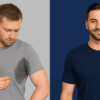
- When you’re nervous—like preparing to lead an early morning meeting—your body can react with anticipatory anxiety. That mental stress triggers your sympathetic nervous system (“fight or flight”), which can lead to sweating even if you’re not physically hot.
- The worry about sweating (like imagining sweat stains on your shirt) can actually make things worse—because it increases anxiety, which increases sweating, which fuels more anxiety.
| 😓 Facing This Problem? | ✅ Best Products from Amazon |
|---|---|
| Dark patches under arms? | Best Shirts That Hide Sweat |
| Excessive sweating? | Strongest Antiperspirants That Work |
| Sweat in formal meetings? | Breathable Formal Wear |
| Always sweating in summer? | Cooling Clothing You’ll Love |
| Shoes getting smelly? | Sweat-Resistant Shoes |
| Visible back sweat? | Undershirts That Actually Work |
What You Can Do About It
A. Psychological & Behavioral Strategies
- Shift your focus
If you constantly monitor whether you’re sweating, it just amplifies the anxiety. Redirecting your attention can help—for example, focus on the meeting’s topic or a calming mental image instead of how you look or feel. - Spot your triggers
Try to recognize what makes you nervous: is it saying something wrong, people judging you, or failing in front of others? Once you identify the trigger, you can prepare mentally or reframe your expectations. - Calming techniques
- Deep breathing is a good start: inhale slowly, hold briefly, and exhale fully. Repeat a few times. This helps slow your heart rate and relax your nervous system.
- Additional practices like mindfulness, meditation, or grounding exercises can help reduce overall anxiety over time.
- Hydration helps
Drinking water keeps your body temperature regulated. When you’re adequately hydrated, your sweat is more efficient, which can help reduce excessive sweating. Staying hydrated is also good for general stress regulation. - Cool down when possible
If you’re feeling overheated or sweaty, removing a blazer or loosening a tie, stepping into a cooler space, or fanning yourself can help. Improving airflow around your body reduces thermal stress and can reduce sweat.
B. Practical Clothing & Hygiene Ideas
- Choose clothing wisely
- Prefer loose, breathable fabrics like cotton or moisture‑wicking blends. These let air circulate and allow sweat to evaporate, reducing visible marks.
- Dress in layers, so you can remove one if you feel overheated.
- Some people find underarm sweat pads or disposable shields helpful.
- Use the right antiperspirant
If regular deodorants aren’t cutting it, look for clinical-strength antiperspirants that contain aluminum chloride or similar ingredients. These can help block sweat glands more effectively.
C. When Sweating Becomes Excessive
If sweating continues even when you’re not nervous—or it’s interfering with your daily life—it might be hyperhidrosis. In such cases, treatments beyond lifestyle tweaks can help:
- Prescription antiperspirants with stronger formulations
- Iontophoresis, a method where a mild electric current is passed through water under your hands or feet to reduce sweating
- Botox injections, which temporarily block the nerves that trigger sweating—often used in underarms, hands, feet, or face
- In more stubborn cases, microwave therapy, lasers, or other energy‑based treatments are available.
- In rare cases, oral medications or nerve-blocking therapies may be considered—usually under physician supervision.
3. A Few Extra Tips That Help
- Control caffeine and spicy food if you notice these trigger more sweating.
- Exercise and regular sleep can improve overall stress resilience, which may help reduce nervous sweating over time.
- If your anxiety feels overwhelming or you find yourself avoiding social or professional situations because of sweating, it might be worth talking to a mental health professional. Therapy can help reduce the anticipatory anxiety that triggers the sweating.
4. A Sample Routine You Could Try
Here’s a simple, practical “sweat-management routine” you might adapt based on your day:
| Time / Scenario | What You Can Do |
|---|---|
| The evening before a big meeting | – Hydrate well – Shower and apply a stronger antiperspirant at night |
| Before getting dressed | – Choose a breathable shirt or two layers – Wear a light undershirt if needed |
| Just before the meeting | – Do a few slow deep breaths to calm nerves – Sip water slowly |
| If you feel sweaty during meeting | – Loosen a layer, remove a jacket, or step aside to cool down – Use a handkerchief or discreet wipe |
| After the meeting | – Change into a fresh shirt if possible – Reflect on what helped and what didn’t, to plan for next time |
Nervous sweating can feel frustrating and even embarrassing, but remember—you’re not alone in this. It’s simply your body’s way of reacting to stress, and with the right mix of calm-down techniques, smart clothing choices, and, if needed, medical help, you can absolutely keep it under control. Whether it’s preparing for a big meeting, speaking in class, or just wanting to feel more comfortable around others, small, consistent steps make a huge difference. The goal isn’t to never sweat again—it’s to feel confident and in charge, no matter the situation.




Add comment